
Notholirion thomsonianum
Notholirion thomsonianum
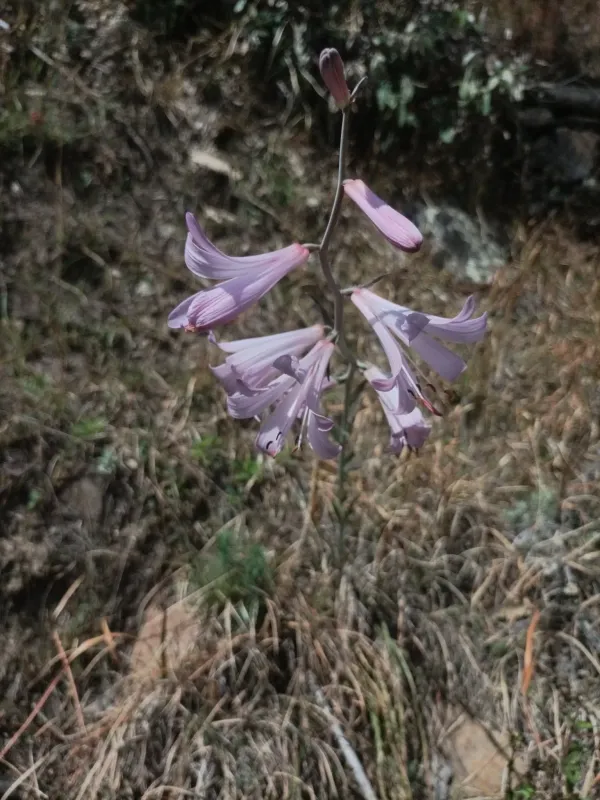
Description
Sowing dates
Planting of Notholirion thomsonianum bulbs is typically performed in the autumn season to allow root development before the onset of winter.
If planting in spring, it is crucial to ensure that the bulbs are placed in well-drained soil to prevent early rot during the warming period.
Choose a planting site that mimics the natural mountain habitat, with light, permeable soil structure and appropriate space between plants.
A planting depth of approximately 10 to 15 centimeters is standard to protect the bulb from temperature fluctuations while encouraging sprout growth.
Adding a layer of coarse sand at the bottom of the planting hole can significantly improve drainage, which is vital for the long-term health of the bulbs.
Growing requirements
Notholirion thomsonianum belongs to the Liliaceae family and is native to the Himalayas, requiring specific conditions for optimal growth.
This species thrives in light, humus-rich soil that is neutral to slightly acidic, ensuring that excess moisture can drain away easily.
While the plant is hardy in its native environment, it benefits from mulch protection in garden settings to shield it from harsh, freezing temperatures.
It prefers semi-shaded areas where it can receive indirect sunlight, preventing the scorching of leaves during the peak of the day.
Watering management is key: provide consistent moisture during the growing season and keep the soil relatively dry during the dormant phase.
Main diseases and pests
Fungal pathogens such as gray mold are the most significant threat, especially if the plants are situated in soil with poor drainage properties.
Root rot caused by stagnant water is a major risk factor that can lead to the rapid decay of the bulbs and the eventual death of the entire plant.
Garden pests like lily beetles can cause severe defoliation, which reduces the plant's ability to store energy for the next growing season.
Bulb mites often target stressed or damp bulbs, necessitating careful inspection of the planting material before introducing it to the garden.
Preventive measures include the application of appropriate fungicides and maintaining strict soil moisture control throughout the year.