
Notholirion bulbuliferum
Notholirion bulbuliferum
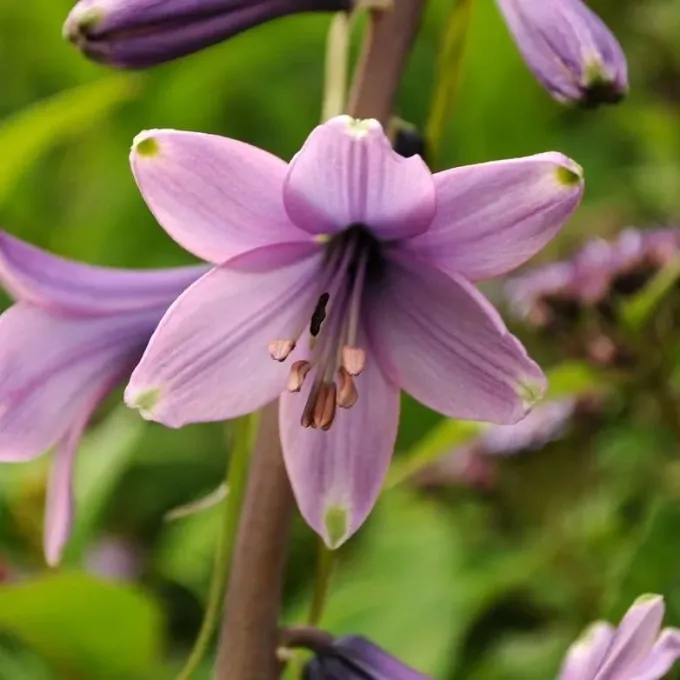
Description
Growing requirements
Notholirion bulbuliferum is a perennial bulbous plant belonging to the Liliaceae family. It is native to the high-altitude meadows and rocky slopes of the Himalayas, Tibet, and Western China, thriving in cool, alpine environments.
The plant requires a temperate climate with high atmospheric humidity. It is particularly sensitive to soil overheating, making it necessary to provide partial shade during the hottest hours of the day to protect the bulbous structures.
Soil requirements include excellent drainage, high organic content, and a slightly acidic to neutral pH level. Stagnant water is detrimental to the plant, as it rapidly causes bulb rot, especially during the dormant winter period.
Cultural practices emphasize moderate and consistent watering during the growing season. The plant's structure includes numerous small bulblets produced at the base of the mother plant, which is a key reproductive strategy in its natural habitat.
Winter protection is recommended in regions where temperatures drop significantly. Providing a mulch layer helps maintain soil moisture levels and protects the bulb from extreme frost damage.
Main diseases and pests
The primary threats to this species are fungal pathogens, specifically those causing basal rot and Fusarium wilt. These diseases are most prevalent in soils that lack proper aeration and drainage capacity.
Pests such as bulb mites and soil-dwelling nematodes can cause significant damage to the root system and bulb scale integrity. Preventive treatment of planting material is essential to ensure long-term health.
Slugs and snails frequently target young foliage, which can stunt the growth of the plant and reduce its ability to accumulate energy for the next year's bloom. Physical barriers are often effective for control.
Physiological decline due to soil compaction is a frequent issue. When the soil becomes too dense, the lack of oxygen leads to root respiration problems, making the plant susceptible to opportunistic infections.
Routine monitoring of the plant's health, combined with maintaining an appropriate soil structure, is the best strategy for preventing these threats. Ensuring adequate ventilation around the foliage is also crucial.