
Libertia
Libertia
Libertia is a genus of perennial plants belonging to the Iridaceae family. Native to the Southern Hemisphere, particularly New Zealand, Australia, and South America, these plants are highly prized in horticulture for their architectural form and clean lines.
What the section contains


Libertia
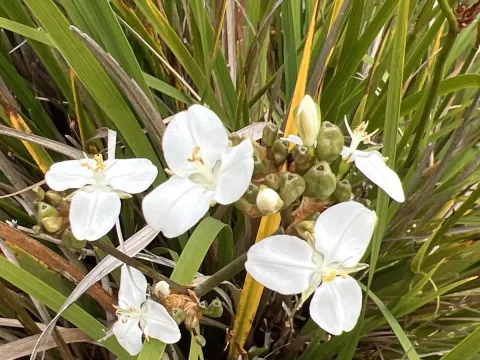
These plants feature grass-like, evergreen foliage that remains attractive throughout the year in suitable climates. The leaves are typically stiff and sword-shaped, creating a dense clump that serves as an excellent focal point in landscape design.
When choosing a planting site, select a location with full sun to partial shade. Exposure to sunlight is crucial for the development of the plant's characteristic white, iris-like flowers which appear in late spring or early summer.
Soil quality must be prioritised; Libertia requires fertile, well-draining soil. If your garden has heavy clay, it is recommended to amend the soil with organic matter and gravel to facilitate drainage and prevent water accumulation around the roots.
Climate tolerance varies by species. While some are quite hardy, others require protection during frost. In colder regions, growing them in pots allows for easy transport to a frost-free area during winter months.
The most significant threat to the health of Libertia is root rot, caused by waterlogged soil. Proper drainage is the most effective preventative measure against this common fatal condition.
Leaf spot diseases may occur in environments with high humidity and poor air circulation. To mitigate this risk, ensure adequate spacing between plants and avoid overhead watering in the evenings.
Occasional infestations of aphids or spider mites can impact the vigor of the plant, especially during dry spells. Monitoring the leaves and applying appropriate horticultural soap or insecticidal treatments is usually sufficient.
Winter damage is common in areas where temperatures drop significantly below the plant's hardiness threshold. Protective mulching around the crown can help insulate the roots against severe temperature fluctuations.
Maintaining a clean garden bed and promptly removing yellowed or decaying foliage helps reduce the potential for fungal pathogens to establish themselves within the dense clump of the plant.