
Libertia sessiliflora
Libertia sessiliflora
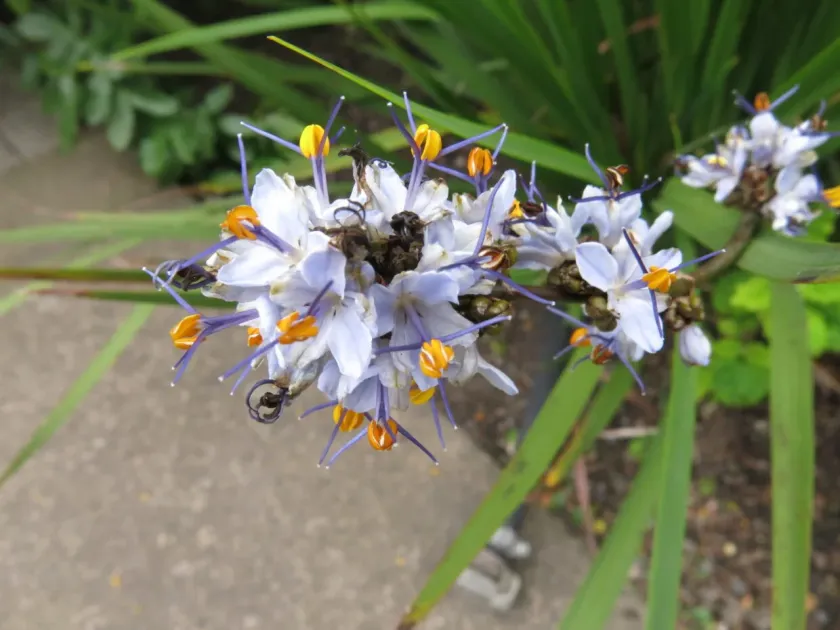
Description
Sowing dates
The sowing of Libertia sessiliflora seeds is typically performed in early spring or autumn, depending on the specific climatic zone and local growing conditions.
For optimal results, seeds should undergo a cold stratification period of several weeks to simulate natural winter cycles and enhance germination rates.
Sowing should be done in a well-draining seed-starting mix, with seeds pressed lightly into the surface rather than buried deep into the soil.
Consistency in moisture levels during the germination phase is critical for the survival of the seedlings until they reach the hardening-off stage.
Early development of the root system is encouraged by maintaining a stable environment with moderate temperatures and indirect lighting.
Growing requirements
Libertia sessiliflora belongs to the Iridaceae family and requires conditions similar to its natural habitat, emphasizing well-aerated and fertile soils.
The plant thrives in full sun to partial shade; however, protection from intense midday heat and harsh, drying winds is highly recommended for best growth.
Soil drainage is perhaps the most important technical requirement, as the species is highly susceptible to root rot in waterlogged or heavy clay environments.
Regular irrigation is necessary throughout the growing season to support the lush foliage, though surface drying between waterings is preferable.
- Incorporating organic matter into the soil profile improves structure and moisture retention.
- Balancing nitrogen-based fertilizers helps promote foliage growth without sacrificing plant health.
- Regular inspection of the root zone prevents the accumulation of excess moisture.
Main diseases and pests
The plant can be susceptible to fungal infections if drainage is poor, particularly during prolonged periods of high humidity and rainfall.
Root rot caused by stagnant water is the most common threat, often leading to the wilting and decline of the entire plant structure.
Aphids and spider mites may occasionally infest the foliage, especially in greenhouse conditions or when the plant is under physiological stress.
Preventative measures include maintaining adequate spacing between plants to ensure proper air circulation and reduce the risk of pathogen transmission.
Early identification of pest populations allows for the use of mild horticultural oils or soaps, preventing the need for heavy chemical intervention.
Harvesting
While not a traditional food crop, the harvest of Libertia sessiliflora usually refers to the collection of seeds for propagation or decorative dried stalks.
Seed heads should be collected once they show signs of drying and darkening, ensuring they are gathered before the pods naturally burst open.
Post-harvest processing involves drying the material in a cool, dark, and well-ventilated area to ensure long-term viability of the seeds.
The foliage should remain on the plant throughout the autumn and winter months to provide structural protection against environmental stressors.
Cleaning and maintenance of the plant are restricted to spring, involving the removal of necrotic tissues to promote new seasonal growth.