
Libertia chilensis
Libertia chilensis
Description
Growing requirements
Libertia chilensis is a stunning evergreen perennial plant belonging to the Iridaceae family. Native to the southern regions of Chile, it is widely appreciated in landscaping for its architectural beauty and elegant, grass-like appearance.
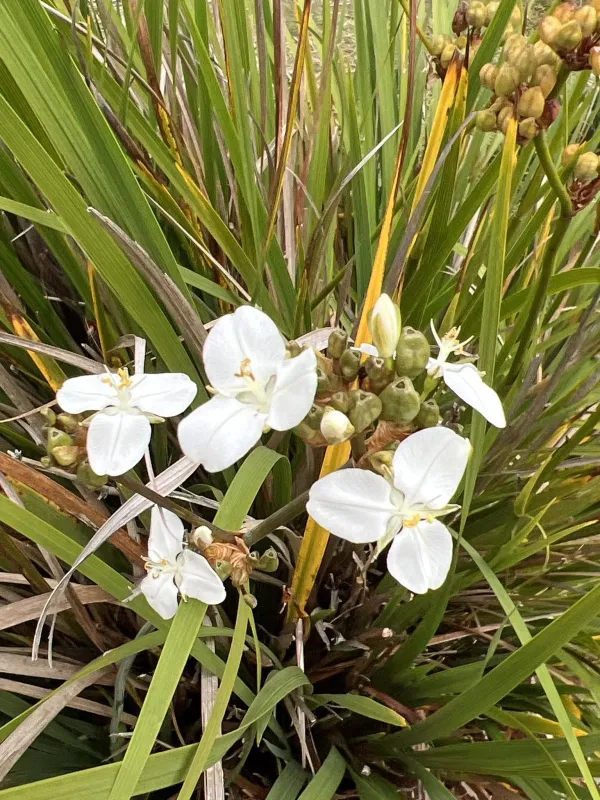
The plant grows in dense clumps of stiff, dark green, sword-shaped leaves. During the late spring and early summer, it produces attractive white flowers followed by capsules, which contribute to its overall visual appeal throughout the seasons.
Cultivation requires well-draining soil that is rich in organic matter. While it thrives in moist conditions, the soil must never remain waterlogged, as this leads to root failure and plant decline.
Libertia prefers a position in full sun or light partial shade. In warmer regions, protection from the harsh afternoon sun is recommended to prevent leaf scorching, while in cooler areas, it requires shelter from drying winds.
Maintenance is relatively low, focusing primarily on annual cleanup of dead foliage to encourage fresh growth. It is highly valued in garden design for adding structure and a modern aesthetic to borders and container displays.
Main diseases and pests
The primary concern for Libertia chilensis is the development of root rot. This occurs mostly in heavy soils or poorly drained areas, especially during the cold and rainy winter months when the plant is less active.
Slugs and snails are the most common pests, often targeting tender young shoots. Utilizing organic bait or physical barriers can effectively protect the plants from these garden visitors during the growth season.
Fungal leaf spot may occur if the plant is grown in areas with poor air circulation. Ensuring sufficient space between individual specimens helps to maintain a healthy environment and prevents fungal outbreaks.
Aphids can occasionally infest the flower stalks during the blooming stage. While rarely fatal, they can cause distortion of the blossoms if left uncontrolled, so monitoring the plant during the spring is advised.
To keep the plant healthy, promptly remove any debris or decaying leaves from the crown. This practice keeps the base of the plant dry and reduces the chances of pests establishing themselves in the clump.