
King Uzziah's Iris
Iris regis-uzziae
Description
Growing requirements
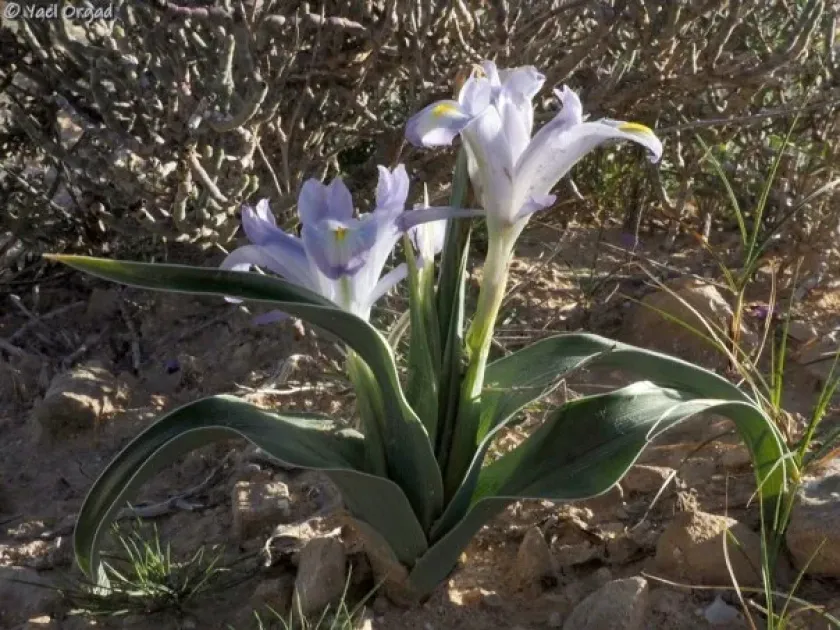
King Uzziah's Iris (Iris regis-uzziae) is a rare species belonging to the Iridaceae family. This plant is native to the arid desert landscapes of the Middle East, primarily identified in specific regions of Israel and Jordan.
As a desert plant, it has evolved to thrive in high-light environments and rocky soils. The plant is a geophyte, possessing specialized underground structures that allow it to survive intense heat and prolonged drought.
Botanically, this iris is recognized by its distinct floral morphology and narrow, grayish-green foliage. It remains dormant for most of the year, emerging to bloom during brief periods of favorable moisture.
In cultivation, this species requires a very specific approach. It thrives best in sandy, gravelly, or rock-garden soil with excellent drainage. A neutral to slightly alkaline soil pH is optimal for healthy growth.
The key to success is mimicking the arid climate. The soil must never remain waterlogged, especially during the plant's dormant summer phase, which could lead to immediate decay of the rhizomes.
Main diseases and pests
The primary threats to King Uzziah's Iris are fungal pathogens associated with excessive moisture. Root rot and rhizome rot are the most common fatal conditions for this sensitive desert plant.
Common pests include iris flies and aphids, which can compromise both the aesthetics and the health of the plant. If the plant is kept in poor ventilation, spider mites may also become an issue.
Management requires preventive measures such as ensuring proper airflow and spacing between individual plants. Pesticides should be used cautiously, adhering to organic practices when possible.
Proper sanitation is essential to control the spread of disease. Removing debris from the soil surface helps minimize the accumulation of spores and pathogens that thrive in warm, damp conditions.
Monitoring the soil moisture levels is critical. If fungal issues are detected, the affected parts must be surgically removed and the site treated with appropriate antifungal agents to save the specimen.