
Libertia
Libertia hybrids
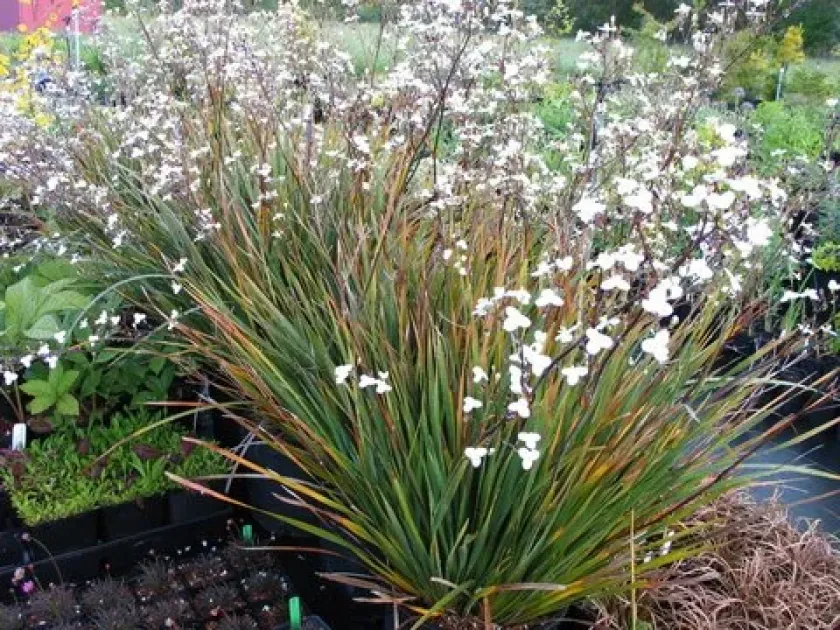
Description
Sowing dates
Libertia is typically propagated via seeds or by dividing rhizomes in the spring. Seeds should be sown in a prepared substrate in late winter to establish healthy seedlings.
When sowing, seeds should be covered lightly with soil, as they often require light to germinate effectively within the appropriate temperature range.
The ideal temperature for germination is between 18–20 degrees Celsius. Maintaining consistent moisture levels during this period is essential for success.
Transplanting hardened seedlings into the garden should occur after the final spring frost, usually during the month of May or early June.
Dividing established clumps is recommended every 3–4 years in the spring, which revitalizes the plant and provides new material for expanded cultivation.
Growing requirements
Libertia belongs to the Iridaceae family and consists of perennial evergreen plants characterized by narrow, sword-like leaves and delicate flowers.
These plants thrive in well-draining, fertile soil with a neutral to slightly acidic pH. Waterlogging is detrimental to the plant and must be avoided through soil amendments.
Full sun to partial shade is required for optimal development. In hot climates, providing shade during the midday period prevents leaf scorching and stress.
Regular but moderate watering is necessary to keep the soil moist but not soggy. Established plants exhibit good tolerance to short-term dry conditions.
Cold hardiness varies among hybrids; in colder climates, mulching the root zone is crucial to protect the plant from harsh freezing conditions during winter.
Main diseases and pests
Fungal root diseases are the primary threat to Libertia, often triggered by excessive moisture in the soil and poor drainage conditions.
Powdery mildew can affect the foliage during periods of high humidity and poor air circulation, necessitating prompt fungicide treatment and better spacing.
Slugs and snails frequently target young leaves during the spring, which can be managed with physical barriers or targeted control measures.
Aphids occasionally infest the flower spikes, draining the plant's resources and reducing its aesthetic value if left untreated.
Preventive maintenance includes ensuring adequate air movement between plants, avoiding overhead watering in the evening, and removing any decaying foliage.