
Dietes
Dietes hybrids
Description
Growing requirements
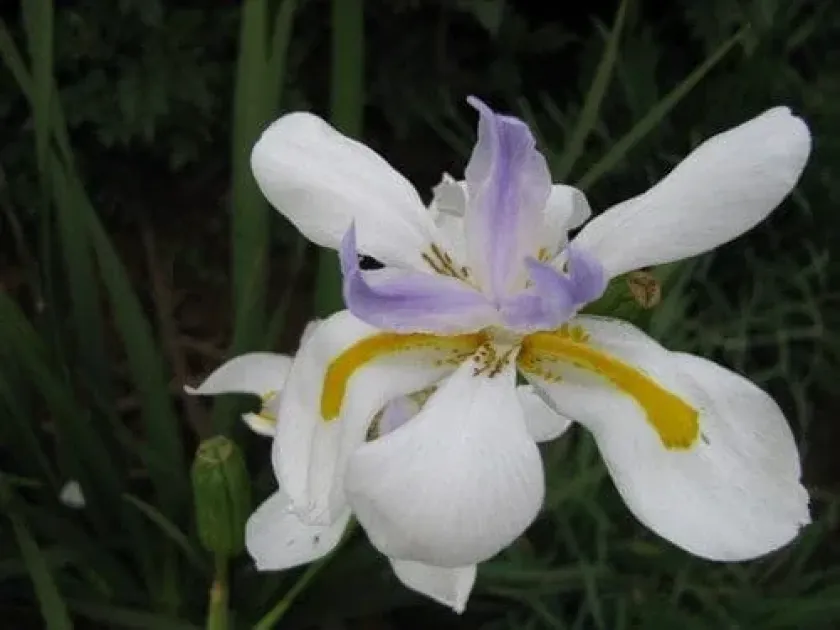
Dietes is a genus of rhizomatous perennial plants belonging to the Iridaceae family. Originating from Southern Africa and Lord Howe Island, these evergreen plants are characterized by their rigid, sword-shaped leaves and delicate, iris-like flowers. They are highly valued for their resilience and sculptural form.
Successful cultivation requires a location with full sun to partial shade. Dietes thrives in well-drained, nutrient-rich soil. Because these plants are susceptible to root rot, ensuring excellent drainage is critical; sandy or loamy soils amended with organic matter are generally ideal for their development.
Regarding climate, Dietes is generally hardy in subtropical and mild temperate regions. They tolerate light frosts but require protection or indoor cultivation in areas where temperatures drop below freezing for extended periods. Consistent temperatures between 15°C and 25°C promote the most vigorous growth.
Agronomic maintenance involves regular irrigation during the growing season, though established plants are quite drought-tolerant. Fertilization should be applied sparingly, typically using a balanced liquid fertilizer in early spring to support the production of flower spikes and maintain foliage density.
In landscaping, Dietes serves as a versatile plant for borders, mass planting, or as a focal point in containers. Its ability to perform well in various soil conditions and its low-maintenance nature make it a preferred choice for sustainable gardening and urban landscaping projects worldwide.
Main diseases and pests
Common pests that affect Dietes include aphids, thrips, and spider mites. These pests tend to congregate on the tender flower stalks or the underside of the foliage. Regular monitoring and the application of horticultural oils or appropriate insecticides are recommended to keep populations in check.
The most significant pathological threats are fungal infections, such as root and crown rot, which occur when plants are subjected to waterlogged soil conditions. To manage these threats, cultivators must avoid overwatering and ensure that the planting site has sufficient aeration and drainage systems.