
Dietes flavida
Dietes flavida
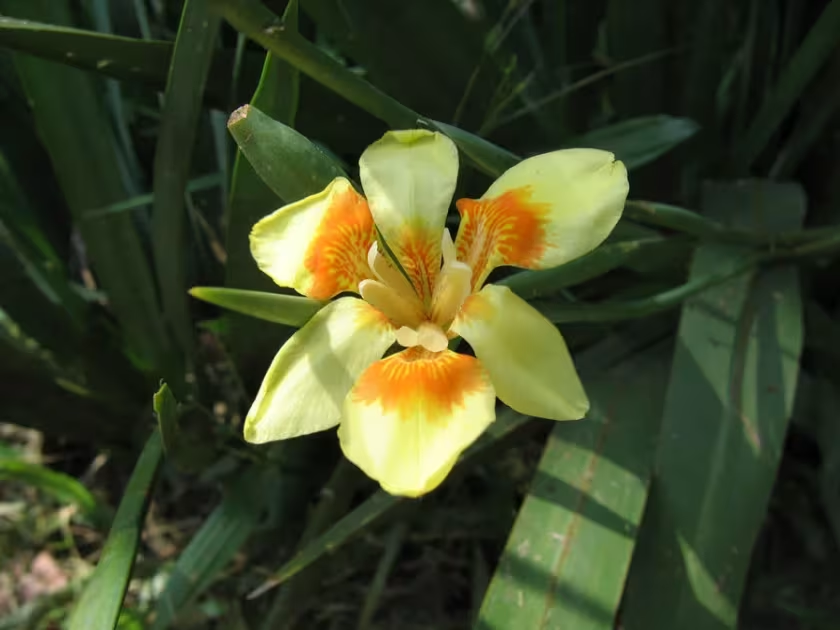
Description
Growing requirements
Dietes flavida is a perennial herbaceous plant belonging to the Iridaceae family. It is widely recognized for its elegant foliage and distinctive flowers, making it a valuable species in various horticultural applications across temperate and subtropical regions.
The plant originates from Southern Africa, where it naturally inhabits moist, open areas near riverbanks and forest margins. Its ability to thrive in such environments showcases its resilience and adaptability to varying soil moisture levels.
Botanically, Dietes flavida develops robust rhizomes that support dense clumps of sword-shaped leaves. This structural configuration allows the plant to form stable colonies, which are highly effective for erosion control in landscaping projects.
Cultivation requirements involve providing well-draining, nutrient-rich soil. While the plant can tolerate partial shade, it performs optimally in locations with bright, filtered sunlight, which encourages more prolific flowering throughout the growing season.
In landscape design, this species is frequently used for mass plantings, border edging, and xeriscaping. Its low-maintenance nature makes it a preferred choice for municipal parks and commercial landscaping where durability is essential.
Main diseases and pests
The primary threats to Dietes flavida include fungal pathogens that exploit overly saturated soil conditions. Root rot is a common issue if the planting site does not have adequate drainage or if the plant is watered excessively.
Pests such as thrips, aphids, and spider mites can cause significant damage to the foliage, especially during periods of high heat and low humidity. These insects feed on plant juices, weakening the overall vigor of the clumps.
Slugs and snails may occasionally feed on emerging flower spikes during the spring months. Installing physical barriers or using baits can effectively protect the plants from such nocturnal pests during their activity peak.
Maintaining clear airflow around the plants is a critical preventive measure against powdery mildew and other foliar diseases. Regular pruning of damaged leaves helps to keep the plants tidy and reduces the habitat for potential pests.
Integrated pest management strategies are recommended to maintain plant health. This includes monitoring for early symptoms of infestation and promoting beneficial insects that predate on the common pests affecting Dietes species.