
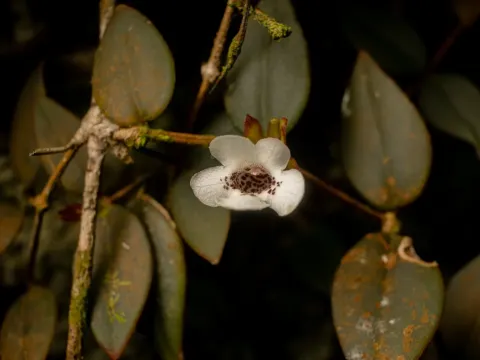
Codonanthe
Codonanthe
Codonanthe is a genus of evergreen perennial plants belonging to the Gesneriaceae family. In their natural habitat, these plants primarily grow as epiphytes within the tropical rainforests of Central and South America, utilizing tree trunks and branches for physical support.
What the section contains
Codonanthe
The plant features succulent, glossy leaves that are typically ovate in shape and arranged in pairs along the stems. Because the stems of Codonanthe naturally trail or hang, the plant is widely cultivated as an ornamental feature in hanging baskets or wall-mounted planters.
To ensure healthy growth, the plant requires consistently warm temperatures, ideally ranging between +20 and +25 degrees Celsius. High ambient humidity is essential to replicate the tropical environmental conditions that these plants prefer for optimal physiological function.
The growing medium for Codonanthe must be exceptionally light, porous, and well-draining. A suitable substrate often consists of shredded coniferous bark, sphagnum moss, and perlite, which effectively mimics the nutrient-rich debris found in tree crotches where these plants reside.
Lighting should be bright but indirect; intense, direct sunlight can easily scorch the succulent foliage. Placing the plant near east or west-facing windows provides the best balance of light intensity to support continuous flowering and maintain overall plant vigor.
Common pests that may affect Codonanthe, particularly when kept in suboptimal conditions, include mealybugs and spider mites. These pests thrive in dry indoor air and can quickly multiply, weakening the plant by feeding on the sap of young, tender growth.
Root and stem rots are the most frequent diseases encountered in Codonanthe cultivation, often caused by overwatering and inadequate soil drainage. Persistent moisture around the roots creates a conducive environment for pathogenic fungal growth.
Preventing diseases requires careful monitoring of irrigation schedules. The substrate should be allowed to dry slightly between waterings, and it is crucial to ensure that drainage holes in the container remain clear to prevent water accumulation at the bottom.
Effective pest management involves the use of targeted insecticides or acaricides, strictly following recommended dosages. In cases of significant fungal infection, it is best to repot the plant into fresh, sterilized substrate after carefully removing all diseased tissues.
Adequate air circulation around the plant is vital to prevent the onset of mold and other pathogens. Applying biological fungicides can serve as an effective preventative strategy, especially in environments where humidity control is challenging to maintain.