
Calceolaria crenatiflora
Calceolaria crenatiflora
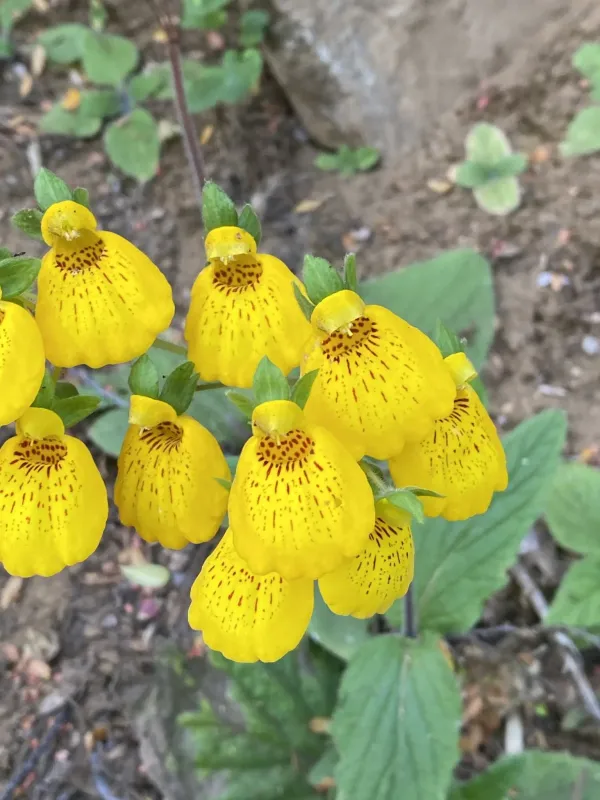
Description
Sowing dates
Sowing of Calceolaria crenatiflora seeds is typically carried out in late summer or early autumn. Due to the very fine nature of the seeds, they should not be buried deep in the substrate but rather pressed lightly into the soil surface.
To ensure germination, maintain a temperature range between 18 and 20 degrees Celsius with high relative humidity. Stability is essential, as sharp temperature fluctuations can significantly decrease germination rates.
Seedlings usually emerge within two to three weeks under proper light conditions. Once the first true leaves are developed, the seedlings are pricked out into individual pots to facilitate root system expansion.
Throughout the seedling phase, consistent and precise watering is required to prevent both drying out and waterlogging. Regular transplantation into larger containers helps the plant build a robust structure before flowering.
The final placement of the plant depends on the specific climatic zone, but it is predominantly managed as a greenhouse or indoor container crop due to its sensitivity to cold temperatures.
Growing requirements
Calceolaria crenatiflora, a member of the Calceolariaceae family native to the mountains of Chile, thrives in cool climates. Temperatures consistently above 20 degrees Celsius are often detrimental to the plant's health.
The culture requires loose, fertile, and well-drained substrate with a neutral to slightly acidic pH. Good aeration of the root zone is critical to prevent soil compaction and root suffocation.
The plant demands bright but diffused light, avoiding direct sun exposure that may scorch the foliage. East or west-facing windows or shaded greenhouse environments provide the best growing conditions.
Watering must be regular and moderate, using soft water at room temperature. Maintaining humidity levels between 60% and 70% is essential for healthy leaf development and proper flower bud initiation.
Fertilization with low-nitrogen, balanced mineral solutions is recommended during the growing season. Excess nitrogen can lead to excessive foliage growth, which reduces the quality and duration of the blooming period.
Main diseases and pests
Common pests affecting this crop include aphids, whiteflies, and spider mites, which thrive in conditions of low air humidity. Regular monitoring of the underside of the leaves is necessary for early intervention.
Gray mold is a significant threat, often developing due to waterlogged substrate or poor air circulation. Infected parts of the plant must be removed promptly to prevent the spread of the pathogen.
Root rot is a major issue caused by improper irrigation practices, such as the use of cold water or poor drainage systems. Maintaining appropriate moisture management is the primary preventative measure.
The use of biological insecticides and fungicides is recommended to control pest populations while minimizing environmental impact. Always adhere to the recommended dosages on the labels of chemical products.
Providing adequate ventilation in the growing area is crucial for the plant's health, though it is equally important to avoid cold drafts, which the plant is highly sensitive to.