
Calceolaria biflora
Calceolaria biflora
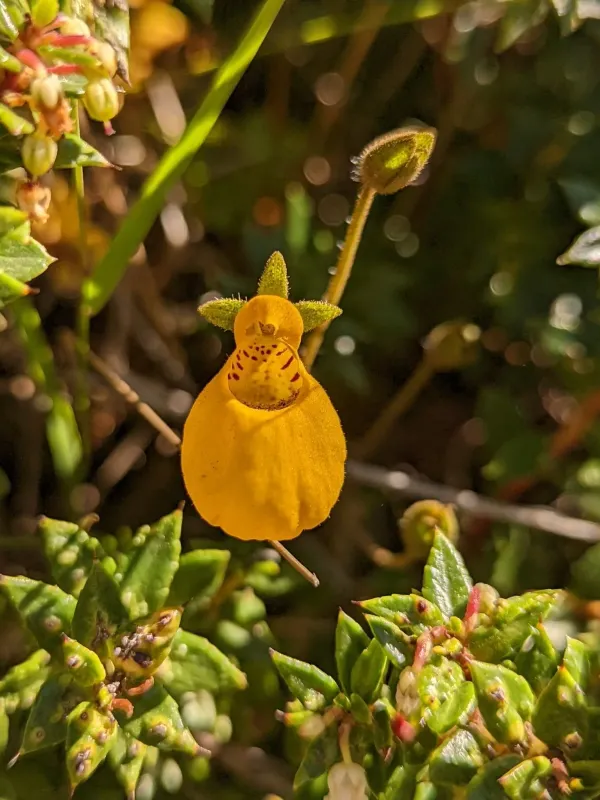
Description
Sowing dates
Sowing Calceolaria biflora seeds is typically initiated in late winter or early spring, specifically between February and March. The seeds are extremely small and should not be covered with soil, only lightly pressed onto the growing medium.
To ensure successful germination, the seeds require a stable temperature of 18–20 degrees Celsius. Maintaining high humidity using a glass or plastic cover over the seed tray is essential for this process.
Adequate lighting is crucial immediately upon germination to prevent the seedlings from becoming etiolated. Supplemental grow lights are highly recommended if natural light levels are insufficient during early development.
Pricking out the seedlings into individual containers should be done carefully after the development of the second pair of true leaves. The young plants are fragile and require a gentle touch to avoid root damage.
Transplanting into the final location should only occur once all danger of frost has passed. Gradual acclimatization to outdoor conditions is necessary to reduce stress on the young specimens.
Growing requirements
Calceolaria biflora, a member of the Calceolariaceae family, originates from the mountainous regions of South America. It is a cool-loving plant that performs best in environments mimicking its native highland climate.
The optimal growth temperature range for this species is 15–18 degrees Celsius. Excessive heat is detrimental, often leading to rapid decline and the cessation of the flowering process.
The soil should be well-draining, nutrient-rich, and slightly acidic in pH. Proper aeration of the growing medium is necessary to prevent the waterlogging of roots, which is a major cause of plant failure.
This crop prefers bright, indirect sunlight to maintain its vibrant appearance. Direct exposure to intense sun can cause leaf scorching and shorten the overall lifespan of the plant.
Consistent, moderate moisture levels are required for healthy development. While the plant needs steady watering, the substrate should never be saturated, as good drainage is key to preventing rot.
Main diseases and pests
Root rot and stem rot are the most common diseases, typically occurring due to overwatering or poor ventilation. These fungal issues can quickly destroy the plant if not addressed promptly with fungicides.
Aphids represent the most significant pest threat, often clustering on the undersides of leaves and on developing flower buds. They feed on plant sap and can severely weaken the overall structure of the plant.
Whiteflies are another common concern, especially in greenhouse conditions. They reproduce quickly and can transmit viral diseases while sapping the vitality of the foliage.
Spider mites may appear if the ambient humidity is too low. Regularly misting the plant or using a humidifier can help prevent infestations by these tiny pests.
Integrated pest management, including regular inspection and the use of appropriate horticultural sprays, is recommended to keep Calceolaria biflora healthy. Good sanitation practices, such as removing fallen leaves, significantly reduce the risk of outbreaks.