
Calceolaria integrifolia
Calceolaria integrifolia
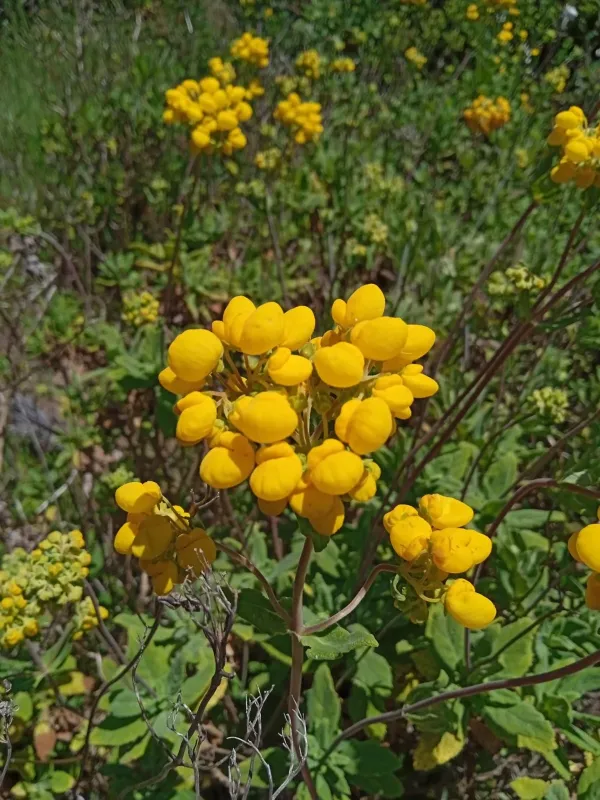
Description
Sowing dates
Propagation of Calceolaria integrifolia is primarily done through seeds or stem cuttings. Seeds are sown in late winter or early spring, usually between February and March, providing enough time for the plant to mature before the summer season.
The seeds are extremely small and should be sown on the surface of a damp, fine-textured substrate without covering them with soil. Maintaining high humidity with a plastic or glass cover is crucial for successful germination.
Germination requires a consistent temperature between 18 and 20 degrees Celsius. Once the seedlings develop their second pair of true leaves, they should be carefully pricked out into individual pots to avoid overcrowding.
Stem cuttings can be taken in late summer, utilizing healthy terminal shoots. These should be placed in a light peat-sand mix under cover to encourage root development while maintaining a moderate moisture level.
Transplanting to the final location outdoors should only occur after the risk of frost has passed. Gradual acclimatization to outdoor conditions is recommended to prevent transplant shock in young plants.
Growing requirements
Calceolaria integrifolia belongs to the Calceolariaceae family. This South American perennial is known for its distinct, pouch-like flowers and prefers temperate, cool climates rather than extreme heat.
The plant thrives in bright, indirect light. Direct sunlight, especially during the midday hours, can easily scorch the leaves and fade the vibrant colors of the flowers, so partial shade is often ideal.
Soil requirements include a nutrient-rich, well-draining substrate with a slightly acidic to neutral pH level. Proper drainage is essential to prevent waterlogging, which the root system cannot tolerate.
Watering should be balanced and consistent, ensuring the growing medium stays moist but never soggy. Using tepid water is preferred, as cold water can cause stress to the plant and inhibit metabolic processes.
Optimal growth occurs at temperatures between 15 and 22 degrees Celsius. High heat causes the plant to become leggy and reduces flower production, making ventilation and cooling measures necessary in warmer regions.
Main diseases and pests
The most common pests affecting Calceolaria integrifolia are aphids and whiteflies. These insects frequently infest the undersides of leaves and can be controlled using appropriate systemic insecticides or horticultural soaps.
Fungal issues, such as root rot and gray mold (Botrytis), are significant threats, especially in conditions of poor air circulation and excessive moisture. Prevention involves maintaining good spacing between plants.
Powdery mildew may develop under high humidity coupled with poor ventilation. Regular inspection and the removal of any infected foliage are necessary steps to keep the disease from spreading throughout the collection.
Implementing preventive horticultural practices, such as morning watering and avoiding overhead irrigation, significantly reduces the risk of fungal infections and helps maintain overall plant vigor.
Vigilance is required to detect early signs of infestation. Prompt treatment and the removal of affected plant parts are often sufficient to manage populations of pests before they reach damaging levels.