
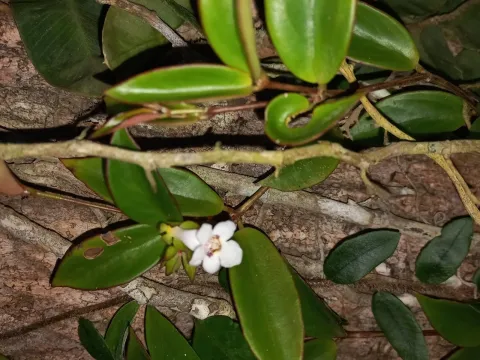
Codonanthe gracilis
Codonanthe gracilis
Codonanthe gracilis is a delicate epiphytic species belonging to the Gesneriaceae family. Originating from the tropical forests of Central and South America, this plant is naturally adapted to growing on trees, utilizing the bark and organic debris as its primary rooting medium.
What the section contains
Codonanthe gracilis
When cultivated, the plant requires bright but filtered light to maintain its compact form and ensure healthy flowering. Exposure to intense, direct afternoon sun can damage the foliage, while insufficient light leads to sparse, elongated stems and lack of blooms.
The substrate must mimic the natural epiphytic environment, prioritizing high porosity and excellent drainage. A mix comprising high-quality peat moss, perlite, and fine pine bark is recommended to provide the necessary air circulation for the root system.
Humidity and temperature are critical factors for success. Codonanthe gracilis thrives in environments with consistent temperatures between 20 and 25 degrees Celsius and requires humidity levels above 60 percent to prevent leaf desiccation and promote vigorous growth.
Watering management should focus on allowing the substrate to slightly dry out between sessions. Over-saturation leads to anaerobic conditions in the root zone, which quickly triggers systemic rot in this species. Always use tepid water for irrigation.
The most common pests affecting this plant are spider mites and mealybugs, which tend to infest the plant when humidity is too low. Regularly checking the undersides of the leaves and maintaining high ambient humidity are the primary preventive measures against these pests.
Root rot is the most serious disease risk, caused by pathogens like Pythium or Phytophthora that thrive in waterlogged, stale soil. To prevent such outbreaks, ensure the potting container has ample drainage holes and avoid leaving water in the saucer for extended periods.