
Codonanthe caribaea
Codonanthe caribaea
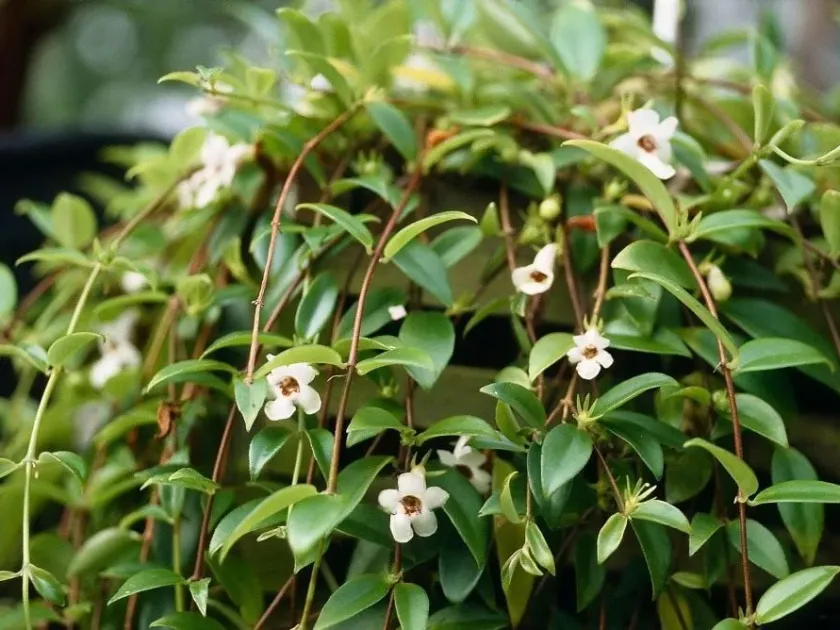
Description
Growing requirements
Codonanthe caribaea is a fascinating epiphytic species belonging to the Gesneriaceae family. Originating from the tropical forests of the Caribbean, it has adapted to grow on tree trunks where moisture is abundant and drainage is excellent.
Successful cultivation indoors requires bright, indirect light conditions. Intense sunlight often damages the succulent, waxy leaves, while low light levels result in leggy stems and poor blooming performance.
The substrate must mimic the natural environment, meaning it should be highly porous and well-aerated. A mix of orchid bark, perlite, and high-quality peat moss is recommended to prevent soil compaction.
Maintaining high humidity is crucial for this tropical plant. It thrives when environmental humidity is consistently above 60 percent, making it an excellent candidate for terrariums or humid greenhouse environments.
Watering should be performed using lukewarm, filtered water. Ensure the pot has adequate drainage holes, as the roots are highly sensitive to standing water, which can trigger rapid root rot in this species.
Main diseases and pests
Spider mites represent a major threat to this crop, especially in environments with insufficient air humidity. These pests thrive in dry air and can quickly infest the succulent foliage if not controlled.
Mealybugs are another common pest that tends to hide in the axils of the leaves. Their presence can be detected by white cottony secretions, which require prompt removal and treatment with appropriate pesticides.
Root rot is the most common physiological disorder caused by improper irrigation practices. Overwatering leads to the decomposition of the root system, which is usually irreversible once advanced symptoms appear.
Fungal infections can develop on leaves if water remains on the foliage during periods of low light and poor ventilation. Keeping the leaves dry and ensuring good airflow are essential preventive measures.
Regular monitoring of the plant’s health is vital. Integrated pest management, including the use of neem oil or insecticidal soaps, serves as a safe and effective way to maintain plant vigor throughout the year.