
Calceolaria hybrids
Calceolaria hybrids
Description
Sowing dates
The sowing of Calceolaria hybrids (Calceolaria herbeohybrida) is typically performed during the summer months, specifically between June and July. This timeframe ensures the plants establish a healthy root system and leaf rosette before shorter daylight hours occur.
The seeds are extremely fine and require surface sowing on a moist, fine-textured substrate. Covering the sowing tray with glass or clear plastic is essential to maintain high humidity levels during the germination phase.
Optimal germination occurs at temperatures ranging between 18 and 20 degrees Celsius. Seedlings usually emerge within two to three weeks, after which the covering should be gradually removed to acclimate the young plants.
Initial pricking out is performed when the first pair of true leaves appears. A second transplanting into individual pots follows, utilizing a well-draining, peat-based mix to prevent waterlogging.
Supplementary artificial lighting during the autumn months may be required to encourage steady growth, particularly in regions with low natural light availability during the vegetative stage.
Growing requirements
Calceolaria hybrids belong to the Calceolariaceae family, originating from the mountainous regions of South America. Consequently, they thrive in cool conditions, preferring temperatures between 12 and 16 degrees Celsius.
The soil should be light, airy, and slightly acidic (pH 5.5–6.0). A mix containing peat, leaf mold, and sand provides the necessary aeration and moisture retention for healthy development.
These plants require bright but indirect light. Direct sunlight can scorch the delicate foliage and cause the flowers to wilt prematurely, making east or west-facing windows ideal for placement.
Watering must be frequent but careful, ensuring the substrate remains moist but never saturated. Overwatering is the most common cause of root failure in this specific crop.
Fertilization should be handled with a balanced liquid fertilizer at a half-strength concentration during the growing season, avoiding high-nitrogen formulas that promote foliage over floral displays.
Main diseases and pests
Whitefly is the most significant pest affecting Calceolaria hybrids, especially in greenhouse environments with low humidity. These insects extract sap, causing stunted growth and chlorotic spots on the leaves.
Aphids are also common, particularly on young flower buds and tender tips. Systemic insecticides are generally effective, provided they are applied before the infestation becomes severe.
Grey mold (Botrytis) is a fungal disease that thrives in humid, stagnant air conditions. It causes rapid decay of the blooms and stems, requiring immediate removal of affected plant parts.
Root rot often occurs due to poor soil drainage or excessive irrigation. Using sterilized potting medium and ensuring the containers have adequate drainage holes is crucial for disease prevention.
Regular monitoring of the foliage, particularly the undersides, is essential for early detection of pests. Maintaining good air circulation is a key preventive measure against fungal pathogens.
Harvesting
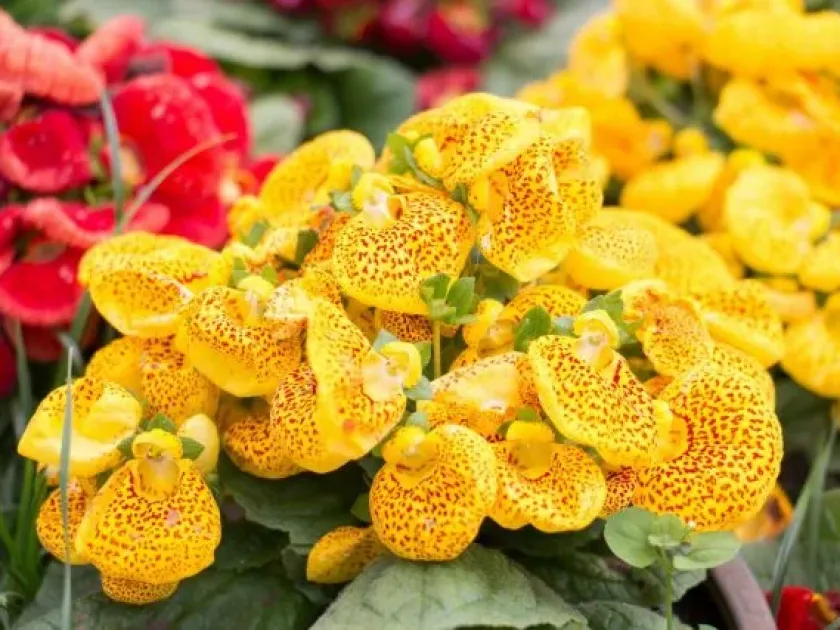
Calceolaria hybrids are primarily produced as ornamental pot plants for retail in the spring. They are valued for their unique, slipper-shaped flowers that provide vibrant color to indoor spaces.
Seed harvesting is rarely practiced by commercial growers due to the hybrid nature of the plants, which do not produce true-to-type progeny. Professional producers purchase certified F1 hybrid seeds annually.
Marketable plants are usually brought to the retail stage when the majority of buds have begun to open. Careful handling is required during shipping to prevent mechanical damage to the brittle stems.
The ornamental value of the plant concludes once the blooming period ends. In most commercial and residential settings, the plant is discarded after flowering as it is difficult to maintain for subsequent seasons.
The high horticultural demand for this crop is driven by its distinct appearance, making it a staple item for spring holiday sales and seasonal indoor floral decorations.