
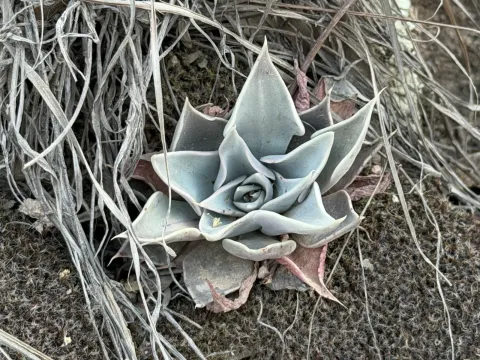
Graptopetalum
Graptopetalum
Graptopetalum is a genus of perennial succulent plants belonging to the Crassulaceae family. Native to the rocky and arid landscapes of Mexico and Arizona, these plants have evolved to store moisture in their thick, succulent leaves to endure periods of prolonged drought.
What the section contains


Graptopetalum
Botanically, they are characterized by forming attractive rosettes of fleshy leaves that can vary significantly in color, ranging from grey-green to pinkish and purple hues. The stems are succulent and often branch out as the plant matures, creating a unique architectural appearance.
The primary requirement for this crop is high-intensity light. While they can tolerate some partial shade, they thrive best under bright, direct sunlight for several hours daily. Insufficient light leads to etiolation, where the stem stretches and the leaf rosettes lose their compactness.
Soil composition must be extremely porous and well-draining. A typical agricultural mix for these succulents includes a blend of commercial potting soil with significant portions of coarse sand, perlite, or pumice to ensure that roots do not remain saturated with water.
The climate requirements involve a warm, dry summer and a cool, dry winter period. During the winter, the temperature should be maintained between 10 and 15 degrees Celsius to trigger the plant's dormancy phase, which is essential for healthy spring growth.
The most significant threat to Graptopetalum is root rot caused by overwatering. If the substrate remains damp for extended periods, the root system begins to decay rapidly, which often results in the loss of the entire plant if not detected in the early stages.
Mealybugs are the most common pest found on this species. These insects thrive in the tight spaces between leaves and at the base of the stem. Regular monitoring is necessary, and applications of appropriate systemic insecticides can control infestations effectively.
Fungal infections can also occur if air circulation is poor or if high humidity persists. It is vital to provide adequate ventilation to the growing area, especially during the humid summer months, to keep the foliage dry and healthy.
Physical handling is another concern as many varieties of Graptopetalum have a delicate, waxy coating known as farina. Touching the leaves leaves permanent marks and removes this protective layer, making the plant more susceptible to sun damage and dehydration.
Disease prevention is largely achieved through strict adherence to the "soak and dry" method of irrigation. Only water when the soil has completely dried out, and ensure that pots have adequate drainage holes to prevent the accumulation of excess water at the bottom.