
Graptopetalum pachyphyllum
Graptopetalum pachyphyllum
Description
Growing requirements
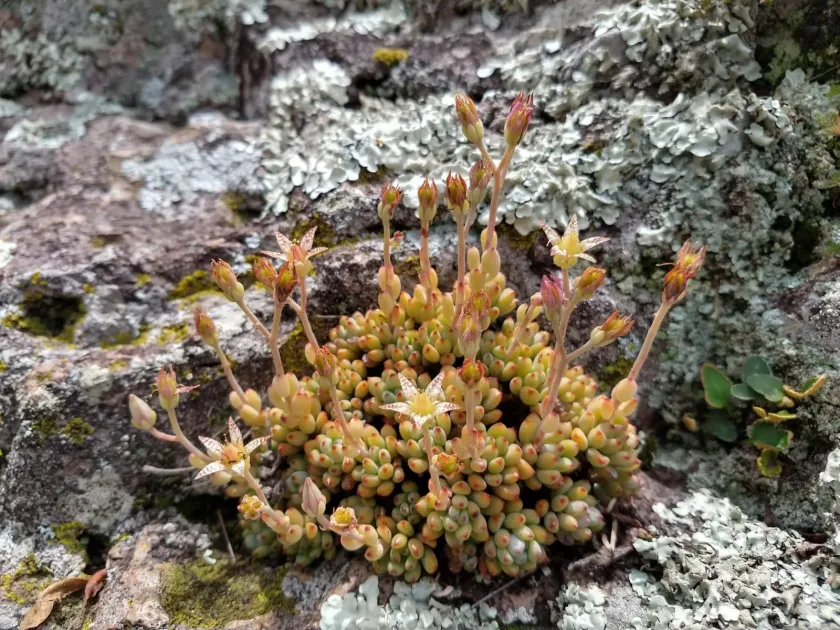
Graptopetalum pachyphyllum is a miniature succulent species belonging to the Crassulaceae family. Native to the rocky mountain ranges of Mexico, it has evolved to thrive in high-altitude environments with limited organic soil and high solar exposure.
The plant exhibits a rosette-forming growth pattern with thick, fleshy leaves often covered in a glaucous bloom. For optimal commercial and home cultivation, it requires at least six to eight hours of direct sunlight daily to maintain its structural integrity.
The substrate must be extremely well-draining, consisting of a mix of pumice, coarse sand, and a small amount of inorganic potting medium. Poor drainage is the primary cause of failure in cultivating this specific taxon, often leading to rapid root decay.
Climate requirements involve distinct seasonal variations; active growth occurs during the warm season, while a dormant period during winter is essential for the plant to recover and initiate blooming. Excessive humidity during the dormant phase must be avoided.
Watering should be managed strictly by the soak-and-dry method, ensuring the soil is completely desiccated before the next application. Fertilization should be kept at a minimum, utilizing low-nitrogen succulent-specific fertilizers only during the growing season.
Main diseases and pests
Root and stem rot caused by fungal pathogens are the most significant threats to Graptopetalum pachyphyllum. These diseases typically manifest when the plant is kept in overly damp soil or poorly ventilated conditions, which facilitates rapid tissue degradation.
Mealybugs are the primary insect pests affecting this species, frequently nesting in the tight crevices between the leaves. Infestations are often characterized by white, cotton-like masses and can lead to stunted growth and leaf deformation if left untreated.
Spider mites represent a secondary threat, particularly in environments with low humidity and high temperatures. They feed by puncturing the plant tissue, leaving behind visible, unsightly scarring on the surface of the succulent leaves.
Mechanical damage to the leaves can also be a significant issue, as it compromises the plant's natural cuticle layer. Once the protective wax is removed, the plant becomes more susceptible to opportunistic bacteria that thrive in high-humidity agricultural settings.
Effective management includes maintaining rigorous sanitation, separating infested plants, and employing targeted insecticidal soaps or systemic treatments. Ensuring consistent airflow around the foliage significantly mitigates the risk of most common pests and diseases.