
Scilla dimartinoi
Scilla dimartinoi
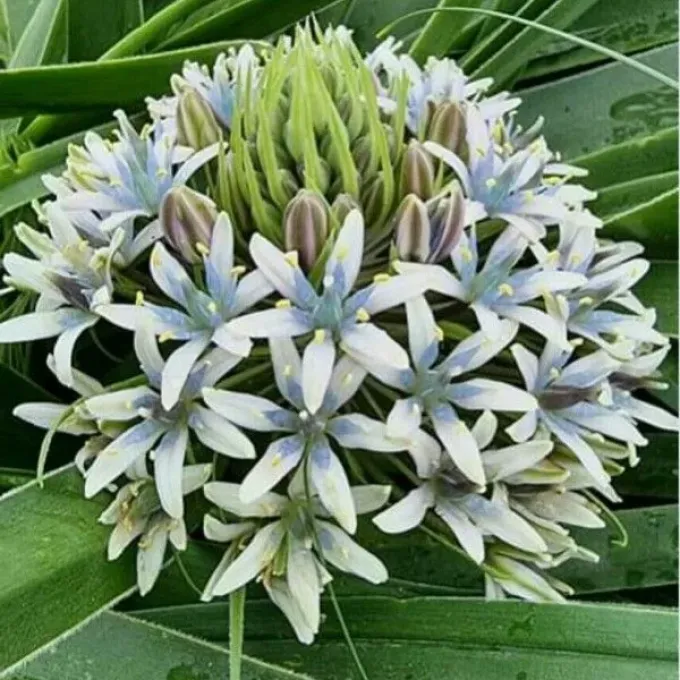
Description
Sowing dates
Scilla dimartinoi, belonging to the Asparagaceae family, is a distinct bulbous plant known for its aesthetic value. Planting is best carried out in the autumn, several weeks before the ground freezes, allowing the bulbs to establish roots before winter dormancy.
The recommended planting depth is approximately 5–8 centimeters, adjusted according to the soil density and bulb size. Spacing should be kept at around 10 centimeters to facilitate airflow and healthy foliage development.
Propagation is typically achieved through division of offsets. Every few years, mature clumps should be lifted during the dormant season, divided, and replanted to ensure consistent flowering and prevent overcrowding.
When propagating by seed, it is essential to sow them immediately after collection. Seeds require a period of cold stratification to germinate successfully, making autumn or early spring sowings in cold frames most effective.
Preparation of the sowing site involves ensuring a loose, friable soil structure. Incorporating organic matter such as leaf mold can significantly improve the emergence rate of young seedlings.
Growing requirements
This species thrives in well-drained, fertile soil with a neutral or slightly acidic pH. Good drainage is paramount, as waterlogged conditions in winter and early spring are the primary cause of bulb failure.
Scilla dimartinoi prefers sites with full sun to partial shade. Exposure to sunlight during the early spring growth phase is critical for the plant to accumulate energy for the next growing season.
Temperature requirements are moderate; the plant is well-adapted to cooler temperate climates. It prefers a steady transition into spring, which encourages a prolonged and vibrant flowering period.
Soil management should include regular weeding to prevent competition for nutrients and moisture. The plants benefit from a light mulch of organic compost, which helps maintain soil moisture levels without causing saturation.
While relatively hardy, providing some winter protection in regions with extremely harsh, snowless winters can prevent the bulbs from deep freezing, ensuring better survival and vitality in the spring.
Main diseases and pests
The most significant threats to Scilla dimartinoi are fungal infections such as botrytis or basal rot, often triggered by excessive soil moisture and poor ventilation. Keeping the planting area clean is a vital preventive measure.
Pests like the bulb mite and onion fly larvae can cause physical damage to the bulbs. Proactive inspection of the bulbs prior to planting and the use of insecticidal treatment can mitigate these risks.
Slugs and snails may attack young, tender foliage during the spring. Implementing manual control measures or using physical barriers around the planting site effectively limits the damage to the leaves.
Rodents such as voles can consume the bulbs during winter months. Using wire mesh baskets for planting is a common professional technique to safeguard the bulbs from these underground predators.
Ongoing monitoring for signs of stress or decay allows for early intervention, such as adjusting the irrigation schedule or applying targeted treatment, which is essential for maintaining the health of the bulb collection.