
Two-leaf squill
Scilla bifolia L.
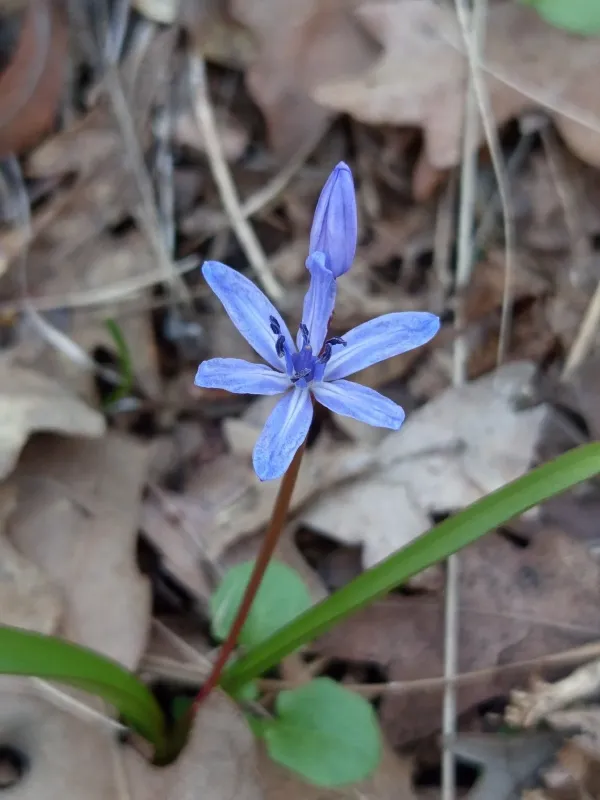
Description
Sowing dates
The two-leaf squill is an ephemeral bulbous plant, and the optimal time for planting is during its dormant phase, typically in late summer or early autumn. Planting between August and September ensures that the bulbs establish roots before the soil freezes.
Bulbs should be planted at a depth of 6 to 8 centimeters, depending on the bulb diameter. A spacing of 10 to 15 centimeters between plants is recommended to allow adequate room for natural multiplication and to prevent the overcrowding of foliage in the subsequent spring.
Propagation can also be achieved through seeds sown immediately after harvesting in a shaded outdoor bed. It is important to note that seed-grown plants are slow to mature, with the first flowering occurring only after three to four years of consistent growth.
For ornamental purposes, planting in clusters of 5–10 bulbs creates a naturalized look. This method is highly effective for lawn naturalization or underplanting deciduous shrubs, where the plants can expand over time without much human intervention.
Before planting, ensure the bulbs are firm and free of mechanical injury. Healthy bulbs possess a dry, intact outer tunic; any showing signs of mold or soft spots at the basal plate should be discarded to prevent contamination of the planting site.
Growing requirements
This crop thrives in fertile, well-drained loamy soils rich in organic matter. While it appreciates moisture during the growing season, it is highly sensitive to waterlogging, which can cause the basal plate to decay and the entire bulb to perish.
As a shade-tolerant species, the two-leaf squill performs best in partial shade, such as under the canopy of deciduous trees. This environment mimics its natural forest-edge habitat, providing light in early spring and shade during the summer dormancy.
The plant is highly resilient to early spring fluctuations in temperature and can withstand light frost. Its rapid growth cycle allows it to capitalize on the moisture available immediately after the snow melts, completing its life cycle before tree leaves fully emerge.
Annual application of well-rotted compost or a balanced organic fertilizer in early spring supports healthy bulb development. Proper nutrition is crucial for the plant to store enough energy to sustain its quick burst of growth and flowering in the following season.
In regions with harsh, snowless winters, applying a light mulch of dry leaves or straw can protect the bulbs from extreme cold. This measure helps maintain a more uniform soil temperature, preventing premature sprouting followed by frost damage.
Main diseases and pests
Fungal diseases, including botrytis and fusarium rot, represent the most significant threats to plant health, particularly in heavy or poorly drained soils. These pathogens can cause the bulbs to soften and disintegrate, often leading to total loss of affected patches.
Small mammals and rodents are known to forage on the bulbs, especially during winter months when food is scarce. Protective measures such as burying bulbs in wire mesh baskets or using specialized enclosures can effectively prevent such losses in the garden.
Slugs and snails can cause cosmetic and physiological damage to the foliage during wet spring weather. Regular monitoring and the use of physical barriers or targeted molluscicides can keep populations under control during the sensitive initial growth phase.
Viral infections may manifest as color breaking in petals or chlorotic streaking on leaves. As there is no cure for systemic viral infections, affected plants should be promptly rogued out and destroyed to prevent the spread of the virus to healthy bulbs.
Implementing a strict hygiene routine, including the disinfection of gardening tools and the careful selection of disease-free planting stock, is vital. Pre-planting treatment with systemic fungicides can also provide a protective barrier against soil-borne pathogens.