
Scilla hyacinthoides
Scilla hyacinthoides
Description
Growing requirements
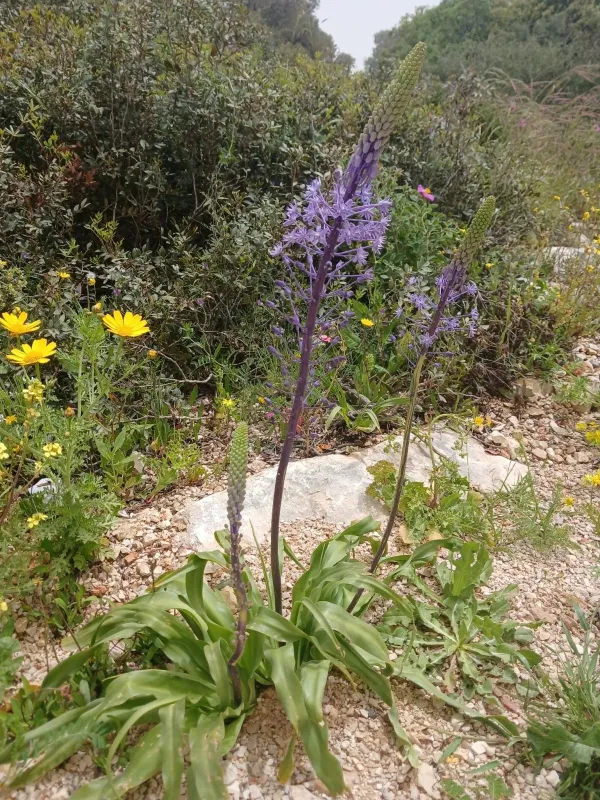
Scilla hyacinthoides, commonly known as the hyacinth-like squill, is a perennial bulbous plant belonging to the Asparagaceae family. It is distinct for its robust growth habit, producing tall, densely packed racemes that can rise up to 100 cm, making it a standout in any landscape.
Native to the Eastern Mediterranean and the Middle East, this species is adapted to rocky slopes and open, well-drained habitats. Its evolutionary history dictates a need for specific soil conditions that prevent moisture accumulation around the bulb during dormant phases.
Optimal growth requires full sun exposure or partial shade. The plant thrives in sandy or loamy soils that offer excellent drainage. Incorporating organic matter during the planting phase supports vigorous development, provided the medium remains loose and aerated.
Climate requirements involve a distinct seasonal cycle. The bulbs need a cooling period in winter to initiate spring growth. In regions where temperatures drop significantly below freezing, a protective layer of mulch is recommended to prevent damage to the bulbs.
Watering management is crucial for this culture. Irrigation should be maintained only during the active growth and flowering stages in spring. Once the foliage begins to senescence, the plant requires a dry period to complete its life cycle and store energy for the next year.
Main diseases and pests
Fungal pathogens represent the primary threat to the health of Scilla hyacinthoides. Grey mold (Botrytis) and basal rot are common occurrences, especially when air circulation is poor or when the soil remains waterlogged for extended periods.
Insects like the bulb mite cause significant underground damage. These pests feed on the tissues, leaving open wounds that are easily colonized by secondary bacterial or fungal infections, leading to rapid deterioration of the bulb health and vigor.
Slugs and snails are notorious for consuming tender young foliage in early spring. Their grazing activity can strip a plant of its photosynthetic potential, preventing the bulb from storing the necessary carbohydrates required for the subsequent season.
Viruses, often spread by sap-sucking insects like aphids, can result in stunted growth and leaf chlorosis. Because there is no chemical control for viral plant diseases, identifying and rogueing infected plants is the only effective way to prevent widespread infestation.
Integrated pest management, including regular inspection of the bulbs before planting and maintaining a clean growing environment, is essential. Ensuring correct plant spacing minimizes the risk of pathogen spread, contributing to the long-term success of the cultivation.