
Scilla allenii
Scilla allenii
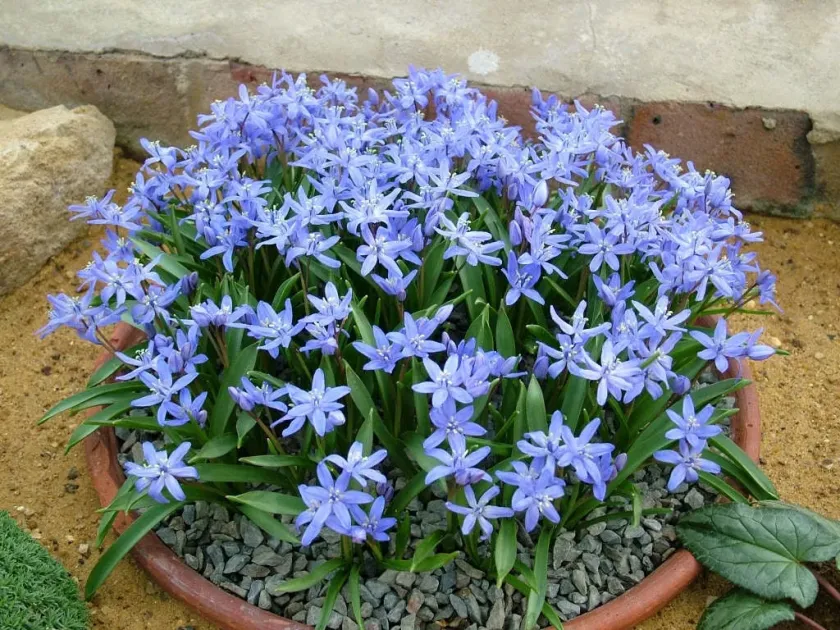
Description
Sowing dates
The bulbs should be planted in late summer or early autumn, while the plants are in a dormant phase. This timing allows the root system to establish itself before the ground freezes, ensuring better survival and flowering potential for the coming year.
Bulbs are typically planted at a depth of 8–10 centimeters, maintaining a spacing of 5–10 centimeters between plants. Proper spacing is essential for air circulation and nutrient availability, which supports healthy bulb development and natural spread.
Vegetative propagation via offsets is the most reliable and common method of multiplying this crop. Offsets can be carefully separated from the parent bulb during the dormant period and replanted in new areas to expand the flower bed.
Seed propagation is possible but slow, as it takes several years for seedlings to reach a size capable of flowering. If seeds are used, they should be sown in a clean, moist seedbed shortly after maturation to ensure better germination rates.
Maintenance of the planting bed includes annual mulching to retain soil moisture and regulate soil temperature. Since the bulbs can remain in the same location for many years, dividing the clumps every 5–7 years is recommended to prevent overcrowding.
Growing requirements
Scilla allenii is a perennial bulbous plant belonging to the Asparagaceae family, prized for its early spring blooms. As an ornamental crop, it is valued for its ability to naturalize and create vibrant displays in gardens and parks.
The crop requires well-drained, nutrient-rich soil with a neutral to slightly acidic pH level. It is crucial to ensure that the site does not suffer from waterlogging, as excessive moisture can easily lead to bulb decay, particularly during the winter dormancy period.
Ideal planting sites include semi-shaded areas, such as under deciduous trees, where the plants receive adequate sunlight in early spring before the leaf canopy forms. This partial shade helps protect the foliage from harsh summer sun.
This species is characterized by high cold hardiness, making it suitable for a variety of temperate climates. It does not require special winter protection, as the bulbs are well-adapted to surviving deep frost cycles in the ground.
Proper agronomic care involves seasonal weeding and the application of balanced mineral fertilizers during the early growth phase. Excessive nitrogen should be avoided to prevent weak, succulent growth that is prone to disease and pest infestation.
Main diseases and pests
The main pests of Scilla allenii include the onion fly and bulb mites, both of which can cause significant damage to the bulb tissue. Regular monitoring is essential to identify early symptoms, such as premature yellowing of leaves or stunted growth.
Fungal diseases, specifically gray mold and Fusarium rot, are common threats when soil conditions are too damp. Proper soil management and ensuring adequate drainage are the primary defense strategies against these aggressive pathogens.
Preventative measures include treating bulbs with fungicides before planting and maintaining high standards of hygiene in the garden. Avoiding the use of fresh manure is critical to prevent the introduction of harmful soil-borne pathogens.
If an infestation or infection is detected, affected plants should be promptly removed and destroyed to prevent the spread of spores or larvae to healthy neighbors. Improving airflow around the plants significantly reduces the risk of fungal outbreaks.
For rodent control in bulb plantings, it is advisable to use physical barriers like wire mesh baskets during installation. Integrated pest management, focusing on early detection and prevention, is the key to maintaining a healthy and productive crop.