
Scilla amoena
Scilla amoena
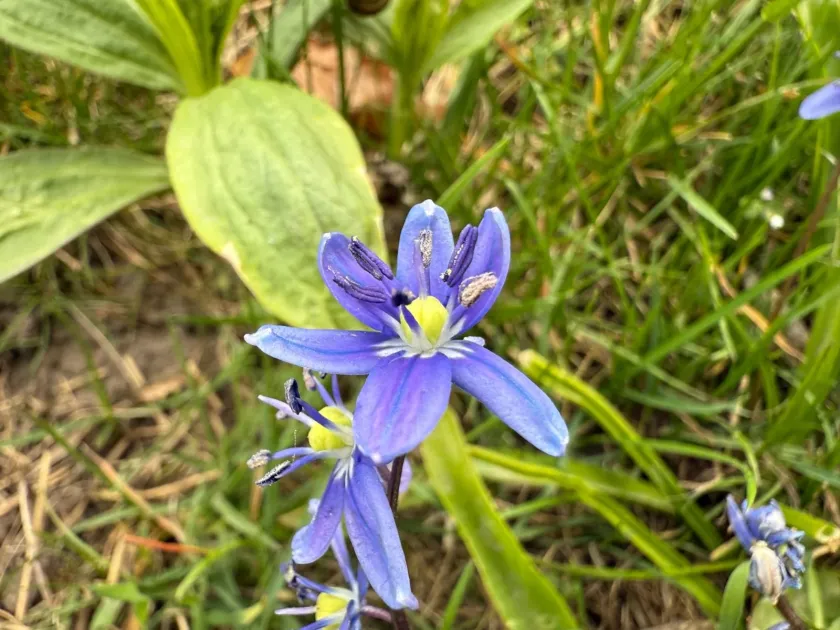
Description
Sowing dates
Planting of Scilla amoena is ideally performed during the autumn months, typically between late August and October, ensuring the bulbs establish roots before the soil freezes.
Bulbs should be placed at a depth approximately three times their diameter, which generally ranges from 7 to 10 centimeters for optimal protection from cold and surface changes.
Spacing between plants should be maintained at 10 to 15 centimeters to prevent overcrowding and ensure adequate airflow, which is critical for foliage health.
For the best results, incorporate well-rotted organic matter or compost into the planting site to improve soil fertility and support initial root development.
Division of clumps for propagation should be done after the foliage has matured and started to turn yellow, ensuring that the bulbs have replenished their energy stores.
Growing requirements
Scilla amoena thrives in locations with partial shade to full sun, making it highly versatile for under-tree planting or naturalizing in woodland garden borders.
The plant prefers well-drained, fertile soil with a neutral to slightly acidic pH; heavy clay soils must be amended with sand or gravel to prevent bulb rot.
Excessive moisture during the summer dormancy period is the primary enemy of these bulbs; therefore, good drainage is a prerequisite for successful perennial cultivation.
During the active growth phase in early spring, provide moderate watering, but ensure the soil remains relatively dry during the hot summer months.
The plant is hardy and requires little maintenance once established, though an annual top-dressing of organic mulch can provide nutrients and protect bulbs from extreme heat.
Yield
In ornamental horticulture, the productivity of Scilla amoena is measured by its vigor in forming dense clusters and the reliability of its annual spring flowering display.
A healthy bulb cluster can expand significantly over several years, producing numerous offsets that can be harvested and replanted to increase the population in the garden.
While not a traditional agricultural crop, the efficiency of this species is evident in its ability to naturalize in varied environments with minimal human intervention.
Flowering intensity depends on the quality of light and nutrients available in the previous growing season, highlighting the importance of post-bloom care.
Gardeners can maximize the aesthetic yield by ensuring consistent nutrient supply, particularly during the transition from the flowering stage to the dormant phase.
Main diseases and pests
Bulb-consuming pests, particularly larvae of the onion fly, represent a significant threat and can cause severe damage to the bulb tissue if left unmanaged.
Grey mold (Botrytis) may develop on the foliage if the plants are situated in areas with poor drainage or insufficient ventilation during wet, cool spring seasons.
Small rodents and voles frequently target bulbs, particularly during winter dormancy, necessitating physical barriers such as wire mesh if infestations are severe.
Effective management includes maintaining rigorous sanitation, removing symptomatic plants immediately, and utilizing preventive fungicide treatments if local conditions are conducive to disease.
Avoiding damage to bulbs during cultivation is essential, as mechanical wounds serve as entry points for bacterial and fungal pathogens that lead to secondary rot.
Harvesting
Harvesting bulbs for relocation or division occurs during the dormant phase, usually when the foliage has fully withered and turned brown, typically in early summer.
Bulbs should be carefully excavated, cleaned of debris, and cured in a shaded, well-ventilated location to ensure the outer scales are dry and firm.
Once cured, bulbs must be sorted by size and condition; discard any that appear shriveled, soft, or show visible signs of pest infestation or fungal damage.
For short-term storage, place bulbs in breathable containers such as mesh bags or wooden crates, keeping them in a cool, dry environment until the autumn planting season.
Routine inspection of stored bulbs is highly recommended to catch and remove any developing rot before it spreads to the rest of the collection.