
Siberian squill
Scilla siberica Andrews
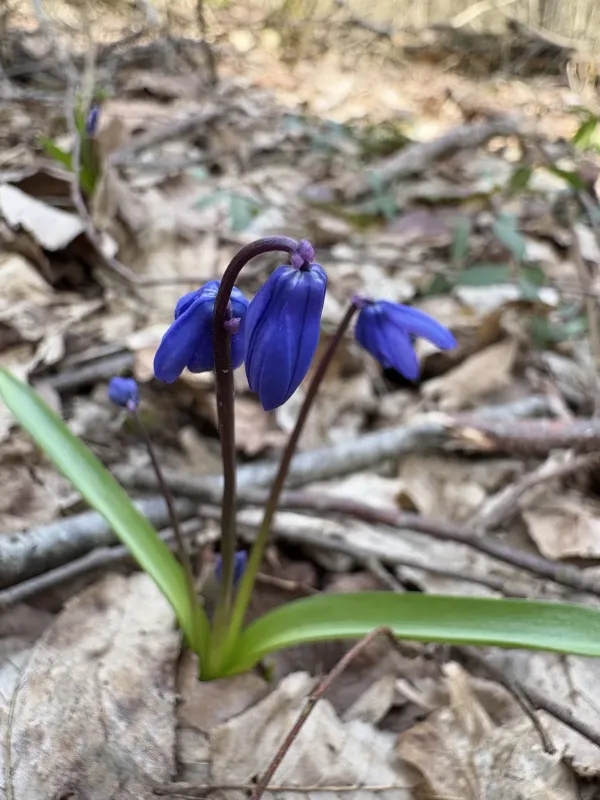
Description
Sowing dates
Siberian squill bulbs should be planted in late summer or early autumn, typically between August and September. This allows the bulbs to establish a healthy root system before the ground freezes, ensuring vigorous growth in the coming spring.
The planting depth should be approximately 7–10 centimeters, depending on the bulb size and soil type. Spacing is crucial; bulbs should be placed 5–10 centimeters apart to encourage the development of dense, attractive clumps that spread over time.
Vegetative propagation is the most common method, involving the division of bulb offsets. This should be done during the dormant period, specifically when the foliage has turned yellow and withered completely, signaling that the plant is no longer actively growing.
Seed propagation is a slower method, taking three to four years for seedlings to reach flowering maturity. Freshly harvested seeds can be sown immediately in well-prepared nursery beds to benefit from natural winter stratification.
In large-scale plantings for naturalization, the ability of Scilla siberica to self-seed is highly beneficial. This natural spread helps create expansive drifts of flowers in woodlands and park settings without intensive replanting efforts.
Growing requirements
Siberian squill, belonging to the Asparagaceae family, is a spring ephemeral that thrives in nutrient-rich, moist, and well-draining soils. It prefers soils with a neutral or slightly acidic pH for optimal nutrient uptake.
The plant is highly versatile regarding light conditions, performing exceptionally well in full sun or partial shade. It is particularly suitable for planting under deciduous trees, as it completes its blooming cycle before the trees develop a dense canopy.
Good drainage is the most critical environmental requirement. Waterlogged soils lead to oxygen deprivation and rot, which are lethal to the bulbs. In heavier soils, incorporating organic matter or providing a drainage layer is recommended.
Scilla siberica is highly cold-hardy, well-adapted to temperate climates. It requires a period of cold temperatures during winter to break dormancy and trigger the development of flower buds in the spring.
Standard care involves light fertilization in early spring just as shoots emerge. Using a balanced mineral fertilizer helps provide the necessary nutrients for the plant to store energy for the following season after flowering concludes.
Main diseases and pests
Fungal diseases are the primary threat to Siberian squill, particularly in wet environments with poor soil aeration. Grey mold and various types of bulb rot can significantly impact the health of the population if conditions remain stagnant.
Pests such as bulb mites are common adversaries that feed on the bulb tissues, often leading to stunted growth or total plant loss. Furthermore, rodents like voles and mice often graze on the bulbs during the winter months.
Effective management includes inspecting bulb quality before planting and using pre-planting fungicidal treatments. These steps significantly reduce the risk of introducing pathogens into the planting site.
Maintenance should prioritize keeping the soil free of excess moisture and ensuring proper weeding to prevent the buildup of high humidity levels around the foliage, which can favor disease spread.
If an infestation or infection is detected, the affected bulbs should be carefully removed and destroyed to mitigate the risk of contamination to the surrounding healthy plants.