
Hesperoyucca newberryi
Hesperoyucca newberryi
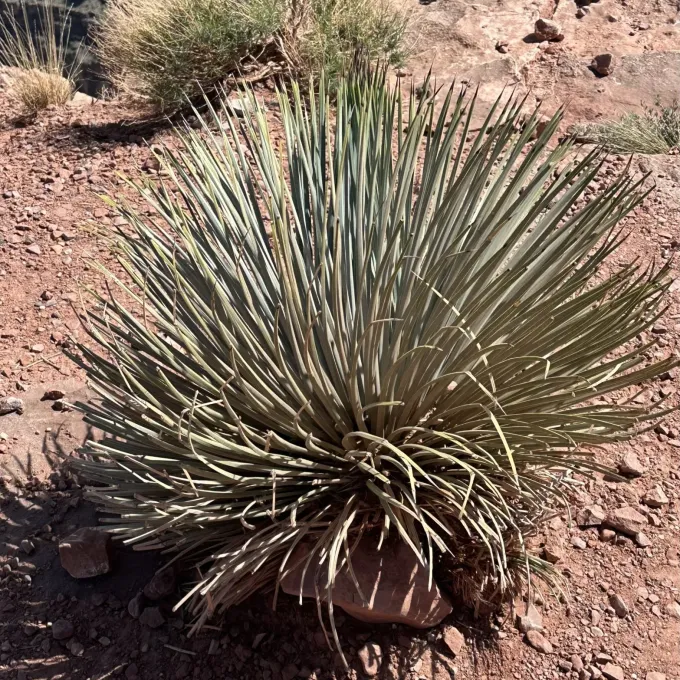
Description
Growing requirements
Hesperoyucca newberryi is a unique plant species belonging to the Asparagaceae family, native to the arid desert landscapes of Arizona. It has evolved to thrive in high-altitude environments characterized by intense solar radiation and minimal annual precipitation.
The agronomic success of this species relies heavily on soil composition. It requires extremely porous, gritty soils with excellent drainage properties to prevent root suffocation. Heavy or clay-based soils are strictly unsuitable for its cultivation.
Optimal growth is achieved under full-sun conditions. In professional nurseries, light intensity is the most significant factor influencing leaf density and the eventual development of the massive flowering stalks characteristic of this species.
Watering protocols must be strictly managed to mimic natural desert rain events. The plant should be allowed to dry out completely between waterings, with dormant winter periods requiring almost total dryness to avoid tissue rot.
Temperature management requires an understanding of the plant's high-desert origins, where it withstands significant day-to-night temperature fluctuations. While hardy to minor freezes, moisture must be absent during cold periods to protect the plant's structural integrity.
Main diseases and pests
Fungal pathogens such as Phytophthora are the primary threat to the plant, especially when ambient humidity levels are chronically elevated.
Mealybugs and scale insects represent the most persistent pest threats, often hiding in the crevices between the stiff, serrated leaf bases.
Root rot remains the most common cause of mortality in cultivation, usually triggered by improper irrigation cycles or poor drainage substrate.
Structural damage can occur from boring insects, requiring integrated pest management strategies to protect the central growth point.
Environmental stress caused by insufficient light often renders the plant more susceptible to opportunistic diseases, necessitating optimal placement.