
Our Lord's Candle
Hesperoyucca whipplei
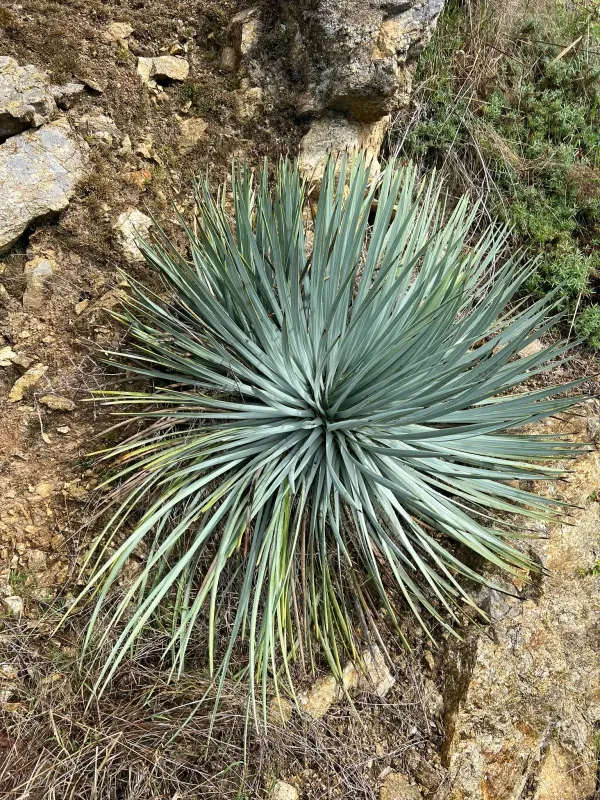
Description
Sowing dates
Hesperoyucca whipplei, commonly known as Our Lord's Candle, is typically propagated from seeds. Sowing should occur in early spring when temperatures remain consistently warm, ensuring successful germination.
For improved results, seeds can be soaked for several hours in tepid water prior to planting. Using a well-draining, sandy seed-starting mix is critical to ensure the health of the developing sprouts.
Seeds should be covered with a light layer of soil or fine grit, maintaining a depth of approximately 0.5 to 1 centimeter. Consistent, albeit light, moisture is required until the initial sprouts appear.
Once the seedlings establish a small rosette, they can be transplanted into larger containers or permanent locations. Young plants require significant sunlight to prevent etiolation.
In natural habitats, this species relies on effective seed dispersal by wind and opportunistic germination after rainfall, a cycle that can be replicated in nursery settings.
Growing requirements
As a member of the Asparagaceae family, Hesperoyucca whipplei thrives in harsh, arid environments. It requires full sun exposure and performs best in poor, rocky, or gravelly soils that offer excellent drainage.
This plant is highly drought-tolerant, possessing specialized tissues to store moisture. Excess water in the soil can be lethal, leading to rapid decay of the root system and the base of the rosette.
Temperature tolerance is a hallmark of this species, as it is adapted to the fluctuating climate of Southern California and Northern Mexico. It can withstand light frosts if the soil remains dry.
Little to no supplemental fertilization is required, as the plant is adapted to nutrient-poor substrates. Over-fertilization, especially with nitrogen, can lead to structurally weak growth.
Effective management includes keeping the crown of the plant dry and ensuring that there is no standing water near the base, which is crucial for preventing fungal pathogens.
Yield
While Hesperoyucca whipplei is primarily a decorative species, its yield is measured by the successful development of its iconic, massive inflorescence. The bloom stalk can reach up to 4 meters.
Being a monocarpic species, the plant puts all its energy into one final reproductive event—producing a dense cluster of fragrant, creamy-white flowers—before the main rosette dies.
To ensure a continuous display in a landscape, it is advisable to plant in cohorts, where plants are at different stages of maturity, allowing for successive years of flowering.
The plant produces secondary offsets from the base, which eventually grow into mature rosettes, providing a means of natural multiplication without needing to start from seed every time.
Harvesting of seeds for future planting should be done only when the seed pods have fully dried and turned brown, indicating maturity and viability for the next season.
Main diseases and pests
The primary threat to this plant is root rot, triggered by poor soil aeration and excessive moisture. This is almost always a result of incorrect site selection or irrigation practices.
Insects like scale or mealybugs can infest the leaf axils, particularly in nursery conditions. Integrated pest management using systemic soap-based sprays is effective for control.
Wildlife, particularly gophers and other small burrowing rodents, can cause significant damage to the root system. Installing wire mesh cages during planting is a common preventive measure.
Environmental stress, such as prolonged shade, weakens the plant’s defenses, making it more susceptible to secondary fungal infections that damage the rosette leaves.
- Ensure soil permeability
- Monitor for mealybug infestations
- Protect young roots from rodents