
Zombia palm
Zombia antillarum
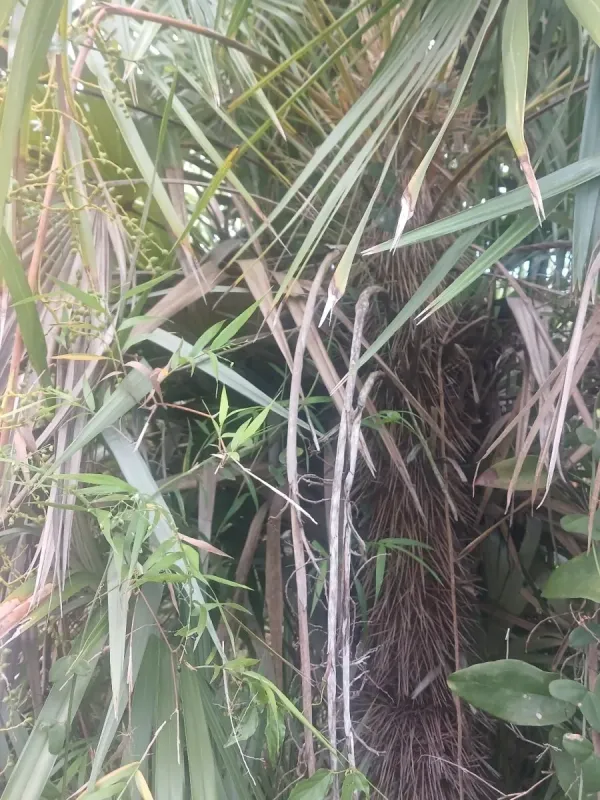
Description
Growing requirements
Zombia antillarum, commonly known as the Zombia palm, is the sole member of its genus within the Arecaceae family. This distinct palm species is native to the island of Hispaniola, spanning both the Dominican Republic and Haiti.
In its natural habitat, the plant typically thrives in rocky or limestone-based soils located on steep hillsides, making it highly adapted to well-draining substrates with limited water retention.
The cultural requirements for this palm include full sun exposure for optimal growth. While it is a slow-growing species, it remains relatively hardy once established in its preferred environment.
Agricultural management requires careful attention to irrigation. The soil should be kept moderately moist during the growing season, but it is critical to ensure proper drainage to prevent root rot.
The plant is famous for its unique structural features, specifically the sharp, spine-like structures on its trunk which are actually persistent, fibrous leaf sheaths, providing the tree with a defensive and primitive appearance.
Main diseases and pests
The primary threats to Zombia antillarum in cultivation involve fungal pathogens that thrive in overly damp or poorly aerated soil environments, often resulting in crown or root rot.
Common horticultural pests such as mealybugs and scale insects may infest the fronds, especially in indoor or greenhouse environments where natural predators are absent.
Nutrient deficiencies can occur if the palm is grown in soil that lacks essential trace minerals, leading to chlorosis and stunted leaf development over time.
Stagnant air and high humidity levels in confined spaces can encourage the growth of molds and mildews on the underside of the leaves.
To mitigate these risks, growers should maintain adequate spacing, ensure constant airflow around the foliage, and implement a consistent but conservative fertilization schedule.