
Wodyetia bifurcata
Wodyetia bifurcata
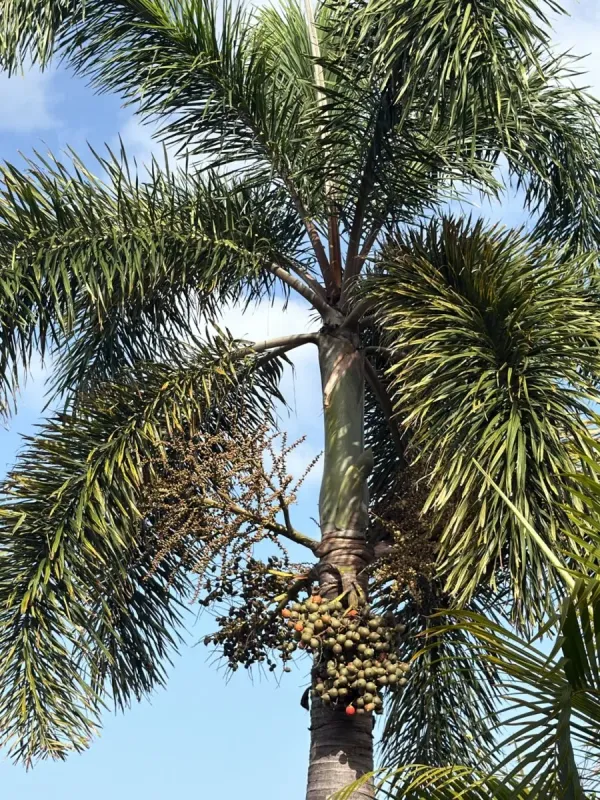
Description
Growing requirements
Wodyetia bifurcata, commonly known as the foxtail palm, belongs to the Arecaceae family. It is endemic to a small region of the Cape York Peninsula in Queensland, Australia, where it naturally inhabits granite outcrops within tropical environments.
This palm thrives in warm, humid climates and is highly sensitive to frost. It requires a stable temperature range between 20°C and 30°C for optimal growth. It is an extremely sun-loving species that demands full sunlight to maintain its dense, lush foliage.
The plant performs best in well-draining, fertile soils. It is highly intolerant of waterlogged conditions, which can quickly lead to root rot. Therefore, selecting a planting site with excellent drainage or improving soil aeration is crucial for success.
Agricultural management includes regular irrigation during the dry season and balanced fertilization to prevent common mineral deficiencies. Proper spacing between trees is also essential to ensure adequate airflow and prevent the buildup of humidity-related issues.
In terms of economic use, Wodyetia bifurcata is a premium ornamental plant widely used in tropical and subtropical landscaping. Its ability to tolerate urban conditions makes it a favorite for avenue plantings and public landscape architectural projects.
Main diseases and pests
The primary threats to the foxtail palm involve nutritional imbalances, particularly potassium and magnesium deficiencies. These are characterized by yellowing of the older leaves and necrotic patches, which can be mitigated with controlled-release fertilizers.
Common pests include scale insects and mealybugs, which settle on the undersides of leaves and at the base of the crown. Infestations should be managed using systemic insecticides or horticultural oils applied according to a strict schedule.
Fungal pathogens such as Thielaviopsis paradoxa can cause trunk rot, especially if the palm is wounded or stressed. Maintaining plant vigor through optimal nutrition and avoiding unnecessary damage to the trunk are vital preventative measures.
Palm weevils are another significant threat, as their larvae bore into the heart of the palm, causing irreversible damage. Early detection is difficult, so routine inspections of the crown and trunk are strongly recommended for high-value specimens.
Integrated pest management strategies are preferred, combining regular monitoring with selective chemical treatments. Ensuring that the soil remains well-drained also prevents the development of soil-borne pathogens that compromise the health of the root system.