
Kentia palm
Howea forsteriana (C. Moore & F. Muell.) Becc.
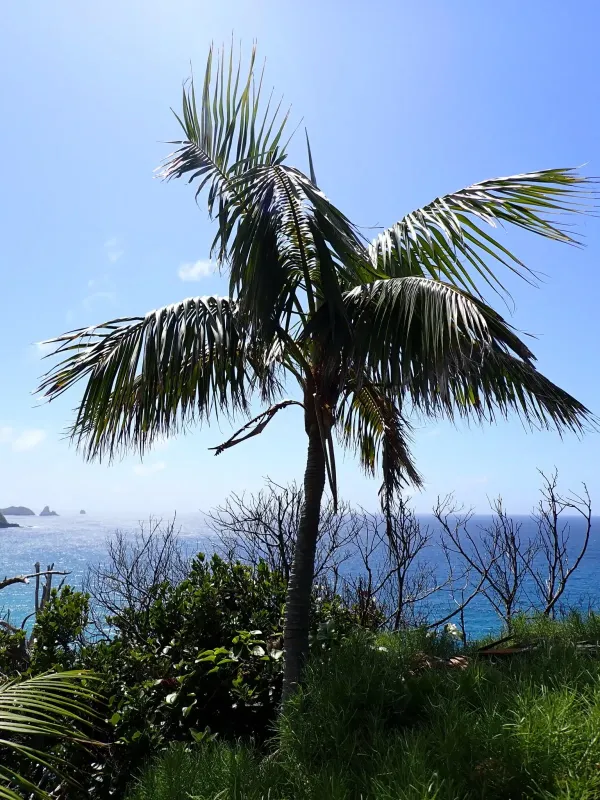
Description
Growing requirements
The Kentia palm (Howea forsteriana) is a perennial species belonging to the Arecaceae family. Originally native to Lord Howe Island, this palm is widely recognized for its elegant arching fronds and high tolerance for indoor environmental conditions.
In terms of botany, it is a slow-growing, single-stemmed palm that thrives in subtropical environments. As a nursery crop, it is cultivated for the interior landscape market, where it is prized for its longevity and relative ease of maintenance.
Soil requirements for Howea forsteriana are centered on drainage and organic content. A well-aerated potting mix containing peat, perlite, and coarse sand is recommended to ensure that the root system remains healthy and free from oxygen deprivation.
Environmental conditions require careful management of light levels. While the Kentia palm can tolerate lower light intensities compared to other palm species, it grows optimally under bright, indirect light conditions.
Temperature management is critical for the survival of this species. It prefers a consistent temperature range between 18°C and 25°C. Exposure to sudden cold drafts or temperatures below 10°C should be strictly avoided to prevent physiological damage.
Main diseases and pests
Spider mites are common pests that infest the foliage of the Kentia palm, especially when indoor air humidity is insufficient. These mites thrive in hot, dry conditions and can cause the leaves to lose their green color and vitality.
Scale insects and mealybugs represent significant threats to the plant's structural integrity. These pests often congregate in leaf axils, where they feed on sap and excrete honeydew, which can encourage the growth of sooty mold.
Root rot, primarily caused by excessive soil moisture and poor drainage, is the most common fatal condition for this palm. It is essential to allow the top layer of the substrate to dry out slightly before the next irrigation cycle.
Leaf spot diseases, often resulting from fungal pathogens like Cylindrocladium, appear as dark brown lesions on the fronds. These infections are frequently exacerbated by overhead watering, which keeps the leaf surfaces wet for prolonged periods.
Management of these threats involves proactive cultural practices. This includes quarantine of new specimens, regular physical inspection of foliage, maintaining adequate spacing for airflow, and the judicious use of horticultural soaps or pesticides when necessary.