
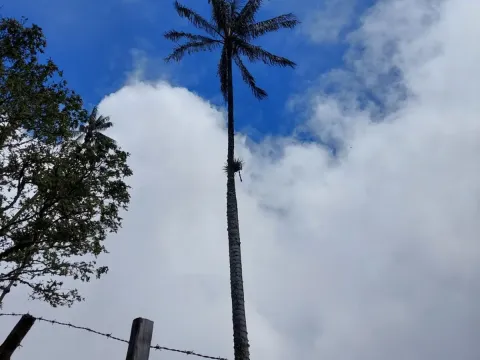
Ceroxylon
Ceroxylon
Ceroxylon is a genus of tall, majestic palm trees belonging to the Arecaceae family. Known commonly as wax palms, these trees are native to the Andes mountains, where they thrive at altitudes of up to 3000 meters, representing some of the highest-growing palms in the world.
What the section contains


Ceroxylon
The culture requires a cool, humid climate with stable temperatures that mirror their natural high-altitude environment. They struggle significantly in lowland heat and require consistent moisture in the atmosphere to maintain healthy growth rates.
Soil requirements for Ceroxylon focus on rich, well-draining substrates. While they prefer organic-rich soils, the primary concern is preventing waterlogging, which can cause root decay due to the lack of oxygen in saturated soil conditions.
Agronomic management involves careful nursery care for seedlings, which are slow-growing and require protection from intense direct sunlight. Once established, they adapt better to open conditions but still need consistent hydration throughout their life cycle.
Historically, these palms are harvested for the white wax covering their trunks. This wax is a sustainable commodity used in various manufacturing processes, including candle making and polishing products, highlighting the economic potential of the species.
The primary threats to Ceroxylon plantations include fungal pathogens that exploit high humidity and poor ventilation. These infections can compromise the root system and the lower trunk, leading to rapid decline if not managed promptly.
Pests, particularly palm weevils, pose a severe risk to the physical integrity of the palm. Larvae bore into the soft tissues of the trunk, causing significant structural damage and leaving the tree susceptible to secondary bacterial infections.
Effective management includes implementing a strict quarantine and monitoring system to detect early signs of pest infestation. Ensuring proper spacing between trees during planting is a fundamental cultural practice to prevent the rapid spread of diseases.
Environmental stress, driven by habitat fragmentation and climate instability, further weakens the palms' defense mechanisms. Integrated Pest Management (IPM) strategies are recommended to keep populations of harmful insects under control without damaging the fragile ecosystem.
Regular nutrient monitoring helps maintain the tree's vigor, allowing it to withstand minor pest attacks. Ensuring the vitality of the plant is the best prophylactic measure against the variety of biological threats encountered in high-altitude agriculture.