
Andean wax palm
Ceroxylon alpinum
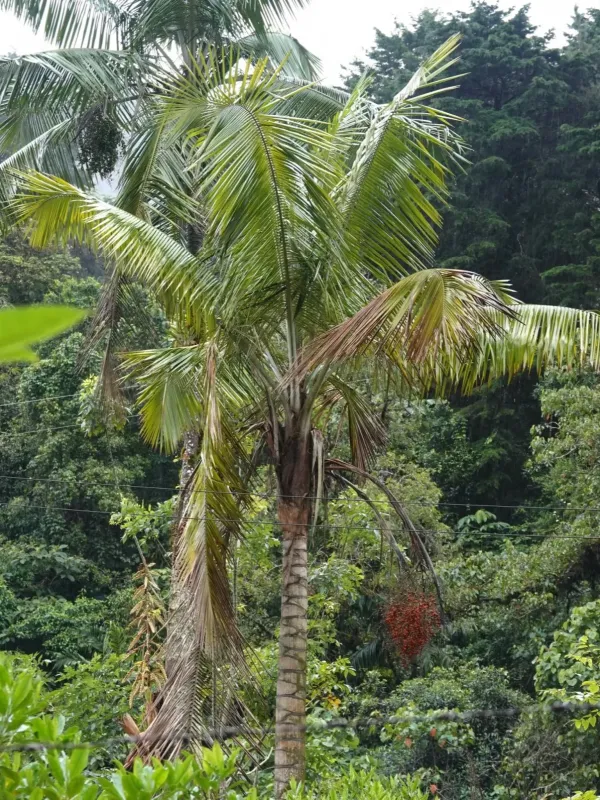
Description
Growing requirements
The Andean wax palm (Ceroxylon alpinum) is a majestic species belonging to the Arecaceae family, native to the high-altitude cloud forests of the Andes in Colombia and Venezuela. It is a slow-growing tree known for its ability to thrive at elevations where few other palm species can survive.
To successfully cultivate this species, growers must provide a cool and humid environment that mimics its natural high-mountain habitat. The ideal temperature range stays consistently between 15°C and 22°C, as the plant suffers significant physiological stress if exposed to prolonged heat or direct tropical sun.
Regarding soil requirements, the plant demands a well-structured, loamy, and acidic-to-neutral medium. Drainage is the most critical factor in soil preparation, as even brief waterlogging leads to rapid root system decline and the onset of systemic pathogens that can kill the palm within weeks.
The species requires high atmospheric moisture and prefers moderate to high light conditions, ideally protected from harsh midday sun. Regular misting or the use of automated fogging systems is often necessary in greenhouse environments to maintain the health of the fronds and stimulate growth.
Commercially, the plant is historically significant due to the thick layer of white wax found on its trunk, which was traditionally harvested for candle and polish production. Today, it is mostly recognized for its ornamental value and its status as a vital component of the Andean high-altitude ecosystem.
Main diseases and pests
Fungal pathogens, particularly those causing root rot and leaf spot diseases, are the primary threat to the Andean wax palm. These diseases are almost exclusively triggered by inadequate soil aeration and high humidity levels coupled with poor air circulation.
Pests such as spider mites and mealybugs are frequently observed in controlled environments. These insects thrive in dry conditions and can quickly devastate the plant by damaging the tender tissues of the emerging leaves and disrupting the plant's overall vitality.
Scale insects can establish themselves on the fibrous trunk and leaf stalks, feeding on the plant's sap. Their presence often weakens the palm, making it more susceptible to secondary infections and leading to yellowing of the fronds and premature leaf drop.
Nutrient deficiencies, particularly involving magnesium and iron, can manifest as interveinal chlorosis, which compromises the photosynthetic capacity of the palm. Regular, balanced fertilization is essential to bolster the plant's natural defenses against various environmental and biotic stressors.
Preventative measures against diseases involve strict adherence to watering schedules and ensuring that the palm is never allowed to sit in stagnant water. Providing adequate space between plants and maintaining consistent airflow helps to inhibit the spread of fungal spores and pest colonies.