
Ceylon date palm
Phoenix pusilla
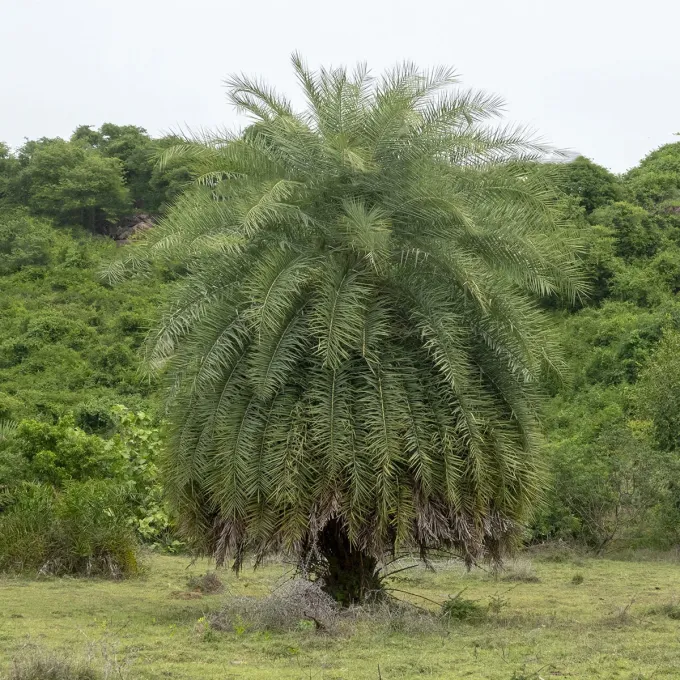
Description
Growing requirements
The Ceylon date palm (Phoenix pusilla) is an ornamental plant belonging to the Arecaceae family. It originates from the tropical regions of India and Sri Lanka, where it thrives in warm, humid conditions.
Cultivation of this species requires bright, direct sunlight to maintain its compact growth habit. In indoor settings, placing the plant near south-facing windows or providing supplemental lighting is essential for long-term health.
Soil requirements involve well-drained, nutrient-rich substrates. A mix consisting of peat moss, perlite, and organic matter is recommended to prevent waterlogging, which is a common cause of root decline in this species.
The ideal temperature range for this palm is between 20°C and 28°C during the growing season. While it is somewhat resilient, it should be protected from temperatures below 10°C to prevent cold damage to the foliage.
Horticultural utility of the Ceylon date palm is primarily focused on aesthetic landscaping. Its slow development and sturdy fronds make it an excellent choice for ornamental containers in atrium and greenhouse environments.
Main diseases and pests
Common pests affecting Phoenix pusilla include scale insects and spider mites. These pests thrive in dry environments and can be mitigated by increasing local humidity and using appropriate systemic insecticides.
Fungal root rots, particularly Phytophthora, pose a significant threat if the potting mix remains waterlogged for extended periods. Ensuring a proper drainage system is the primary defense against such soil-borne pathogens.
Leaf spot diseases are occasionally observed if the foliage remains wet due to poor air circulation. It is advised to keep the leaf surfaces relatively dry and ensure sufficient spacing between plants to encourage airflow.
Nutritional deficiencies, especially nitrogen or potassium shortages, are common during periods of rapid growth. Application of palm-specific controlled-release fertilizers is recommended to maintain vibrant green color.
Improper handling during transplanting often leads to root stress, making the plant susceptible to environmental pathogens. Minimizing root disturbance is critical to maintaining the plant's resilience against opportunistic diseases.