
Chamaedorea costaricana
Chamaedorea costaricana
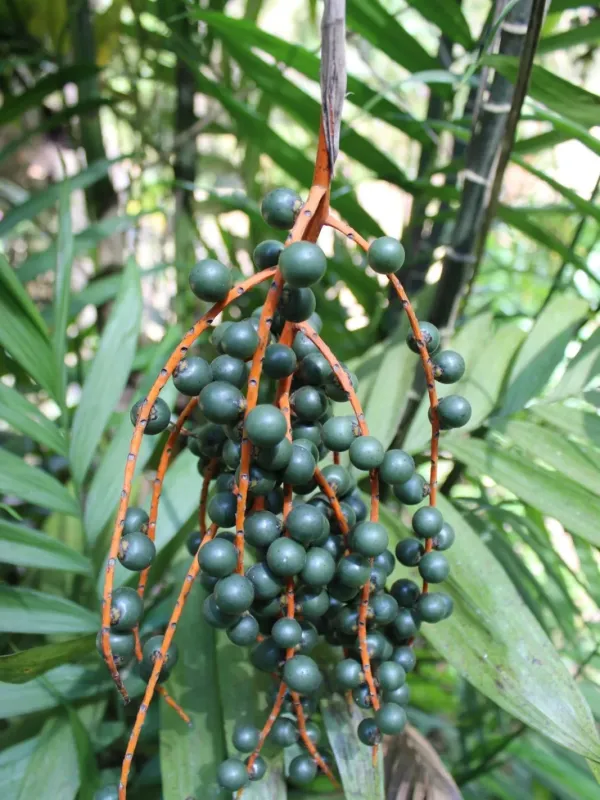
Description
Growing requirements
Chamaedorea costaricana, often known as the Costa Rican bamboo palm, is a multi-stemmed palm species belonging to the Arecaceae family, native to the humid rainforests of Central America.
In its natural habitat, this plant thrives in the shaded understory, making it highly adaptable to low-light indoor environments where other ornamental plants might struggle to survive.
Cultivation requires a steady temperature between 18°C and 24°C, with protection from cold drafts, which can cause significant tissue stress and foliage yellowing in this sensitive species.
The ideal growing medium must be well-draining, rich in organic matter, and kept consistently moist but never waterlogged to ensure the health of the sensitive root system.
Humidity management is crucial; the plant performs best when ambient relative humidity is kept above 60%, often requiring regular misting or mechanical humidification in climate-controlled areas.
Main diseases and pests
Spider mites are the most persistent pests for Chamaedorea costaricana, especially in environments where humidity levels are allowed to drop significantly for extended periods.
Over-irrigation in poorly draining soil frequently leads to root rot, a fungal-driven condition that can quickly become terminal if not addressed through repotting and soil correction.
Mealybugs and scale insects may also infest the leaf bases and undersides of the leaflets, necessitating manual removal or the application of horticultural soaps and systemic pesticides.
To mitigate disease risks, it is essential to maintain proper airflow around the crown of the palm, preventing the stagnation of moisture that encourages fungal pathogens.
Integrated pest management strategies should emphasize early detection, as the complex, clustered foliage makes it difficult to reach all areas once an infestation has established itself.