
Chamaedorea ernesti-augusti
Chamaedorea ernesti-augusti
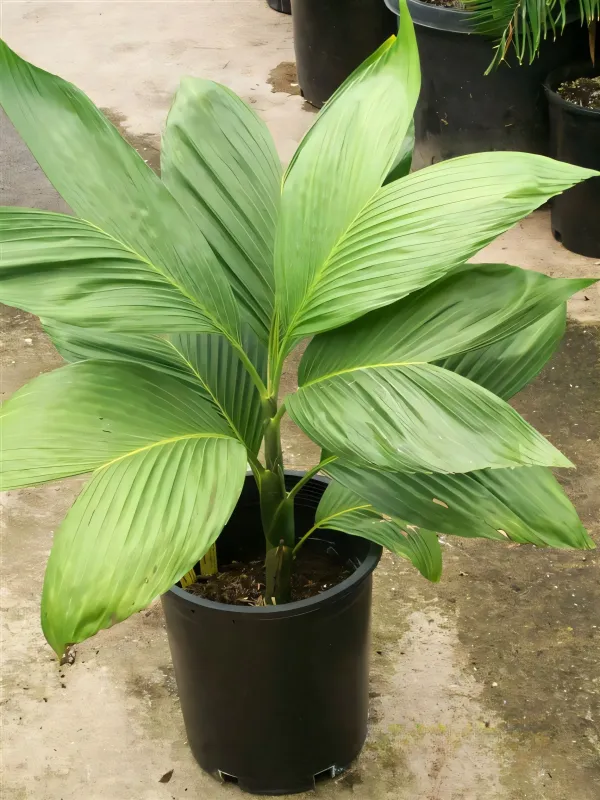
Description
Growing requirements
Chamaedorea ernesti-augusti is a unique species within the Arecaceae family, native to the rainforests of Central America, spanning regions from Mexico to Honduras. Known for its distinct appearance, it features a single, relatively short stem topped with large, undivided, or bifid leaves that create a dramatic tropical effect in indoor landscapes.
In its natural habitat, the plant thrives in the shaded understory of dense forests. This ecological background dictates its specific cultural needs, specifically its preference for low-to-moderate light conditions and high humidity, making it an excellent choice for interior plantscaping and shaded conservatories.
The thermal requirements for this palm are fairly standard for tropical understory plants. It prefers a consistent temperature range between 18°C and 24°C. It is sensitive to cold drafts and temperatures dropping below 15°C, which can cause physiological stress and leaf discoloration.
Soil requirements focus on high organic content and excellent drainage. A well-aerated potting mix containing peat, pine bark, and perlite is recommended. The container must have adequate drainage holes to ensure that excess water can escape, as the root system is highly susceptible to suffocation in waterlogged soils.
Cultural maintenance involves consistent, moderate watering. The top layer of the soil should be allowed to dry slightly between waterings, but the root ball should never be allowed to dehydrate completely. High atmospheric humidity is the secret to maintaining the lush, dark green foliage that characterizes this species.
Main diseases and pests
Spider mites are the most common pest associated with Chamaedorea ernesti-augusti, particularly in environments where air humidity is not sufficiently maintained. They thrive in dry conditions and can quickly cause yellow stippling and webbing on the underside of the leaves.
Scale insects are another potential threat, often appearing as small, brown, bump-like structures on the foliage. These pests sap the plant's vitality, and if not removed promptly, they can facilitate the growth of sooty mold due to the honeydew they secrete.
Root rot is the most significant disease threat, typically caused by overwatering or compacted soil. Once the roots begin to decay, the foliage will lose its luster, turn yellow, and eventually brown, leading to the overall collapse of the plant's vascular system.
Mealybugs can occasionally cluster in the crown of the palm or in the leaf axils. Their presence requires careful monitoring, and local treatment with horticultural soaps or systemic pesticides is often necessary to prevent significant damage to the plant's structure.
Prevention remains the most effective strategy. Regularly cleaning the leaves with a damp cloth prevents dust buildup, allows the plant to photosynthesize efficiently, and makes it easier to spot the initial signs of pest colonization before they reach infestation levels.