
Ochrosia moorei
Ochrosia moorei
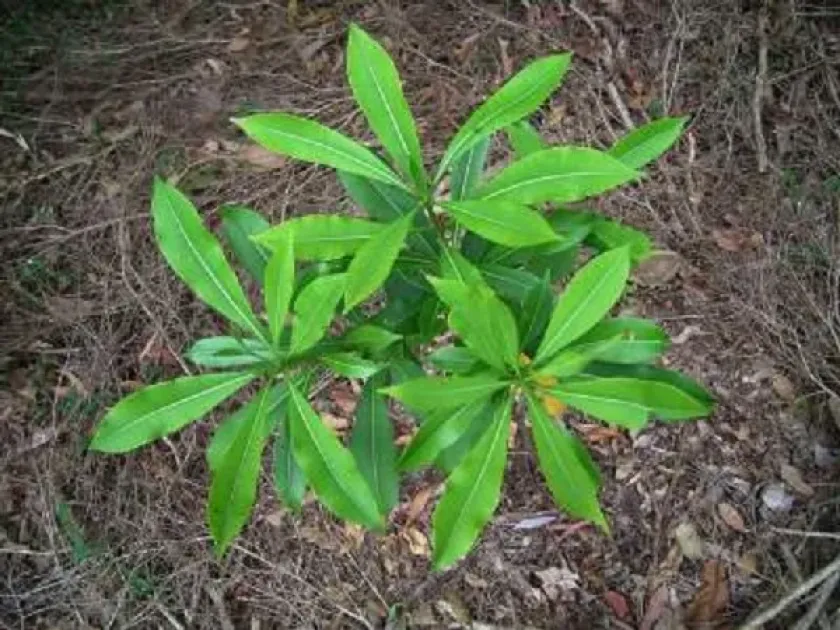
Description
Growing requirements
Ochrosia moorei is a distinctive tree species belonging to the Apocynaceae family. It is endemic to the subtropical rainforests of eastern Australia, where it occupies highly specific ecological niches characterized by warm and humid climate conditions.
The species thrives in deep, well-drained soils rich in organic matter. As an understory or sub-canopy tree in its native habitat, it requires protection from intense, direct solar radiation during the early stages of its development, favoring dappled sunlight.
Botanically, Ochrosia moorei is known for its whorled leaves and fleshy fruits. The wood structure and metabolic processes are typical of the genus, which often contains complex alkaloids, a feature widely studied in the context of botanical pharmacology.
Agricultural cultivation of this species is not practiced commercially. Efforts are focused primarily on conservation biology, ensuring that the remaining specimens are protected from further encroachment of human infrastructure into their native territory.
Future research regarding the domestication of Ochrosia moorei remains limited, as the primary objective for botanists and agronomists is to prevent the extinction of this valuable genetic resource by maintaining nursery-grown specimens.
Main diseases and pests
The survival of Ochrosia moorei is significantly hampered by habitat loss and fragmentation. Conversion of native rainforests into agricultural land or urban areas has severely restricted the range of this sensitive woody plant.
In terms of biotic threats, the species is vulnerable to fungal pathogens that target the root systems in poorly drained environments. Additionally, introduced pests and invasive weeds compete for resources, further complicating the natural regeneration process for this endangered species.