
Ochrosia borbonica
Ochrosia borbonica
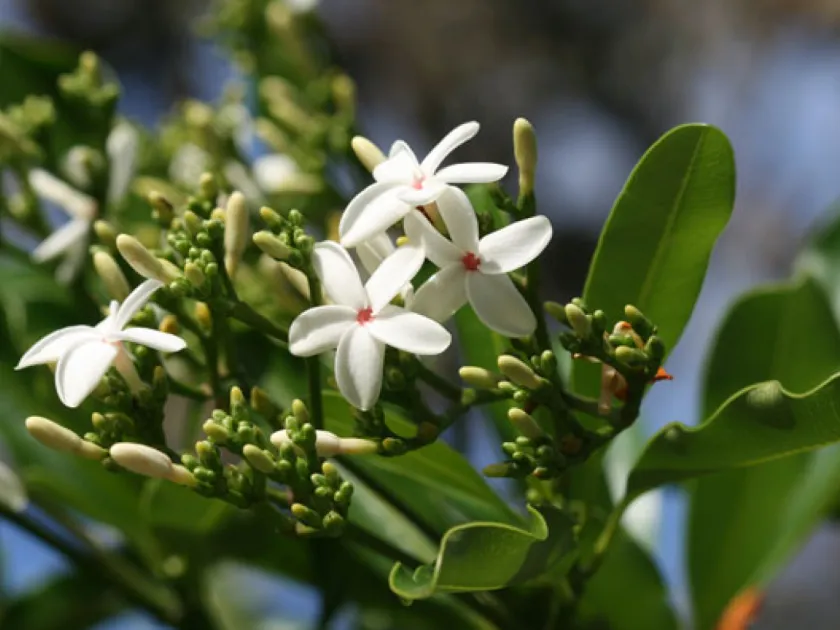
Description
Growing requirements
Ochrosia borbonica is a perennial woody plant belonging to the Apocynaceae family. Native to the islands of the western Indian Ocean, particularly Reunion and Mauritius, this species thrives in humid tropical forest environments.
The plant requires well-drained, fertile soil with a slightly acidic to neutral pH. It is strictly a tropical species and cannot tolerate frost, requiring stable temperatures throughout the growing cycle, typically between 20°C and 30°C.
Botanically, it is characterized by evergreen, glossy, leathery leaves arranged in whorls. Its flowers are often fragrant, adding to its appeal in specialized botanical collections and tropical landscape design.
Cultivation requires bright, indirect light to ensure optimal leaf coloration and growth rates. Adequate moisture is essential, but the substrate must be well-drained to prevent waterlogging, as the root system is sensitive to anaerobic conditions.
In terms of agricultural and horticultural use, Ochrosia borbonica is primarily valued as an ornamental specimen. Its biological structure and sap production have also drawn scientific interest regarding its chemical composition for potential therapeutic uses.
Main diseases and pests
Ochrosia borbonica is susceptible to common tropical pests, particularly mealybugs and scale insects. These insects attach themselves to the undersides of leaves and stems, causing yellowing and stunted growth if left unmanaged.
Fungal pathogens such as powdery mildew represent a significant threat in greenhouse settings with poor ventilation. The presence of excess moisture on foliage, combined with lack of airflow, can trigger rapid fungal proliferation.
Root rot caused by Oomycetes or various soil-borne fungi is a common issue resulting from overwatering or inadequate drainage. Preventing this requires careful monitoring of irrigation intervals and the use of porous growing media.
Spider mites are a recurring challenge, especially in indoor environments where the air may become dry. Regular misting and the application of horticultural oils or acaricides are standard practices for managing mite populations.
Biological resilience is partially supported by the plant's toxic milky latex, which deters many generalist herbivores. However, specialized pests often overcome these defenses, requiring proactive integrated pest management strategies.