
Mondia whitei
Mondia whitei
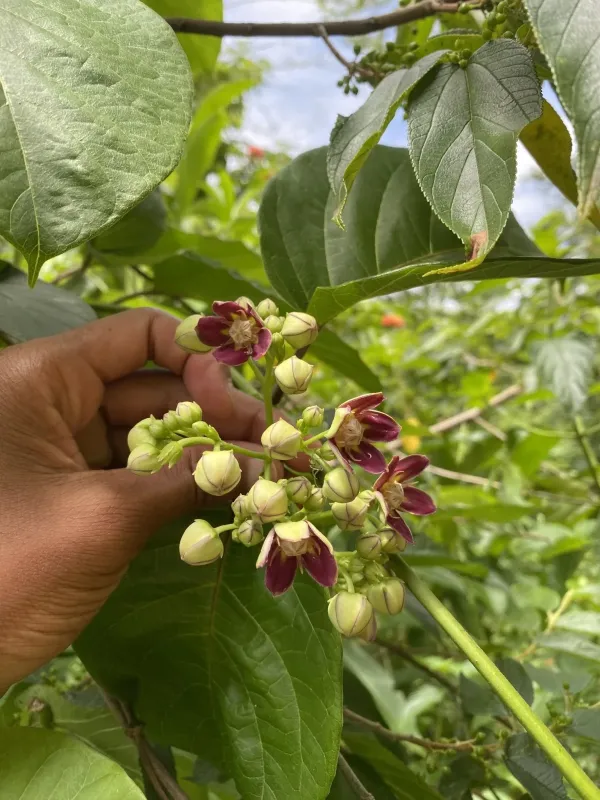
Description
Sowing dates
Mondia whitei is primarily propagated from seeds, which should be sown in nurseries or specialized containers to ensure optimal germination. The best time to start sowing corresponds with the beginning of the rainy season, providing seedlings with sufficient moisture for root establishment.
Before sowing, it is recommended to soak the seeds in warm water for several hours to accelerate germination. The potting medium should be loose, well-draining, and rich in organic matter to prevent the young roots from rotting.
Once the first true leaves appear, the seedlings should be carefully pricked out, ensuring adequate space for root system development. Transplanting to the permanent site in open ground is performed when the plants reach a height of 15–20 centimeters.
To support effective growth, the vine requires a sturdy trellis or support structure, as it possesses strong vegetative development potential. A recommended planting density is about 1–1.5 meters between plants to ensure free access to air and sunlight.
Mondia whitei belongs to the Apocynaceae family and is a perennial woody climber. In the wild, it is native to tropical regions of Africa, where it is highly valued as a significant food and medicinal resource.
Growing requirements
The crop prefers a tropical climate with moderately humid periods and ample sunlight. The plant does not tolerate direct frost, so in regions with cool winters, cultivation is possible only in greenhouses or conservatories.
Deep, well-aerated loamy or sandy soils are best for successful Mondia growth. A critical requirement is the absence of waterlogging, as the root system is highly sensitive to excessive moisture, which triggers root rot.
Mondia whitei responds well to regular applications of compost or well-rotted manure to maintain high soil fertility. A moderate soil pH in the range of 6.0–7.0 is most favorable for the plant's metabolic processes.
During drought periods, plants require supplemental irrigation, especially during the first two years of life until the robust root system is fully formed. Mature specimens exhibit some drought tolerance due to nutrient storage in the rhizomes.
The plant benefits from mulching the root zone, which helps retain moisture and protects the soil from overheating. Regular weeding is essential in the early stages of development to reduce competition for mineral nutrients.
Yield
The primary economic product of Mondia whitei consists of its roots and rhizomes, which contain essential oils, glycosides, and minerals. Marketable yield depends heavily on the plant's age and the quality of agronomic practices on the plantation.
Typically, the first full harvest of roots is conducted 2–3 years after planting. A long vegetation period is necessary for the accumulation of sufficient concentrations of bioactive compounds within the root tissues.
Biomass output can vary depending on light intensity and soil composition. Experienced agronomists note that with proper watering and fertilization, a significant increase in marketable root volume can be achieved.
After harvesting, the raw material must be thoroughly cleaned of soil residues and washed under running water. Drying of the roots should be done in the shade or in specialized drying chambers at low temperatures to preserve the plant's therapeutic properties.
Regular pruning of the vine's aerial parts encourages the redistribution of plastic substances into the root system. This allows for higher overall productivity of the crop under intensive cultivation methods.
Main diseases and pests
Mondia whitei is relatively resistant to most common agricultural pests, although it may be attacked by aphids during moisture deficits. In conditions of high air humidity, the plants are susceptible to fungal leaf diseases.
Root rot is the most dangerous enemy of this crop, especially in heavy clay soils. Infection often occurs due to poor drainage and waterlogged substrates in the root zone.
Among insects that pose a threat are the caterpillars of certain butterfly species, which may consume young foliage. When infestation centers are identified, selective treatment with biological insecticides should be conducted.
Disease prevention consists of practicing crop rotation and avoiding dense planting. Good ventilation of the vine's canopy significantly reduces the risk of pathogens developing on the leaf surfaces.
Using healthy planting material is a critically important factor in controlling the phytosanitary situation. Upon detecting the first signs of wilting or spotting, affected plant parts must be immediately removed from the field.
Harvesting
Harvesting Mondia roots requires caution so as not to damage the main rhizome and to allow for potential plant regrowth. Harvesting is best conducted in dry weather, which facilitates cleaning and drying of the raw material.
Garden forks are used to extract the rhizomes, as they allow lifting the soil while minimizing mechanical damage to the roots. Sharp tools often lead to unwanted cuts through which pathogens can enter the plant.
After extraction, the roots are sorted by size and damaged sections are removed. High-quality raw material should possess a specific aroma, reminiscent of vanilla or cinnamon, which indicates a high content of essential oils.
During the harvesting process, it is important to observe hygiene standards to avoid contaminating the product with foreign impurities. Roots should be stored in a cool, well-ventilated place protected from direct sunlight.
Proper preparation of the harvest for storage includes ensuring the moisture content of the raw material reaches 10–12 percent. This ensures the stability of active components and prevents product spoilage during long-term transportation.