
Ichnocarpus frutescens
Ichnocarpus frutescens
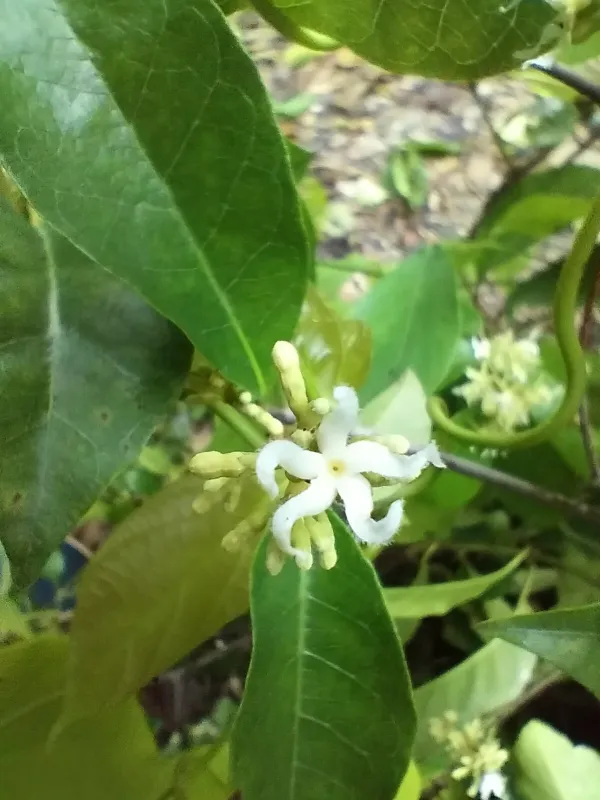
Description
Sowing dates
The propagation of Ichnocarpus frutescens in commercial or nursery settings is primarily achieved through vegetative methods, specifically stem cuttings. The optimal time for harvesting and planting cuttings is during the spring months, when the plant enters its active growth phase.
Seed propagation is used less frequently due to the long germination period and the specific temperature requirements. Seeds are sown in a prepared substrate within a protected environment at temperatures between 22 and 25 degrees Celsius.
Soil preparation involves thorough tilling and the incorporation of organic fertilizers to ensure proper aeration for the root system. Cuttings are planted in light, well-drained soil, avoiding waterlogging during the initial stages of root development.
When cultivating in regions with distinct seasonal changes, transplanting into the open field should only occur after the risk of frost has passed. The plant is sensitive to temperature fluctuations, making soil warmth a critical factor for success.
To accelerate rooting, plant growth regulators are often applied to the cuttings before planting. This ensures more uniform and rapid development of the root system in the young plants, leading to a higher survival rate.
Growing requirements
Ichnocarpus frutescens belongs to the Apocynaceae family and is a perennial evergreen climber that demands intense lighting for healthy development. To accumulate active compounds, the plant requires consistent exposure to direct or bright diffused sunlight.
The crop thrives in tropical and subtropical climates with high atmospheric humidity. In temperate regions, cultivation is only possible within greenhouse complexes or specialized facilities with strictly controlled microclimates.
Soil requirements involve a neutral or slightly acidic pH range. The growing medium must be rich in humus and possess high water permeability to prevent the development of root-related diseases, which are common in this species.
Watering should be regular and moderate during the active growing season; however, irrigation must be significantly reduced during winter or lower temperatures. Excessive soil moisture during cold periods is detrimental to the survival of the plant.
Because the plant demonstrates a high capacity for vigorous vine growth, establishing reliable trellises or supports is essential for commercial production. This helps in managing biomass distribution and facilitates easier maintenance and harvesting.
Yield
The yield of Ichnocarpus frutescens is determined by the total volume of aerial mass, including leaves and young shoots, which are valued for pharmacological and industrial purposes. Peak yields are typically observed by the third or fourth year of plantation age.
In its native range, such as in India and Southeast Asia, harvesting is conducted twice a year. Through systematic application of nitrogen-based fertilizers, growers can significantly increase the output of vegetative mass per unit of land area.
The quality of the raw material depends on the concentration of alkaloids and flavonoids accumulated in the plant tissues. Proper use of mineral complexes ensures that the biological productivity of the crop remains at a stable and profitable level.
An important step in maintaining long-term yield is regular sanitary pruning of old, woody vines. This encourages the growth of fresh, succulent branches, which are richer in beneficial compounds and easier to process after harvest.
Economic feasibility depends on planting density: an interval of 1.5 to 2 meters between rows is considered optimal. This minimizes competition for nutrients and sunlight while ensuring efficient access for manual or mechanical harvesting equipment.
Main diseases and pests
The primary threats to Ichnocarpus frutescens are fungal infections that develop due to poor moisture management. The appearance of lesions or mold on the undersides of leaves signals inadequate aeration or overwatering, requiring immediate fungicide application.
In greenhouse environments, the plant is frequently susceptible to spider mites and mealybugs. These pests feed on cell sap, causing deformation of young shoots and a significant reduction in the overall vigor and immunity of the crop.
Nematodes pose a significant risk to the root system, especially when cultivated in light, sandy soils. Prevention includes sterilizing the soil medium and strictly adhering to crop rotation principles to avoid the buildup of soil-borne parasites.
Leaf-eating caterpillars can cause substantial damage during the summer months, reducing the commercial quality of the harvest. Regular monitoring and the application of biological insecticides allow growers to keep pest populations below economic threshold levels.
- Gray mold (Botrytis cinerea).
- Aphid infestations.
- Root rot due to stagnant water.
- Viral mosaic diseases.
Harvesting
Harvesting the aerial parts of the plant is performed either manually or mechanically during the period of maximum accumulation of active compounds. This timing is usually set just before the plant enters its mass-flowering stage.
After harvesting, the raw material undergoes primary cleaning to remove impurities and sorting. Separating leaves from woody stems is critical to ensuring a uniform drying process within industrial drying chambers.
Drying is carried out at temperatures not exceeding 40 degrees Celsius in well-ventilated facilities. Exceeding this temperature range leads to the degradation of biologically active substances and the loss of essential aromatic properties.
Dried product must reach a consistent moisture level while maintaining its natural color. Storage should take place in airtight containers or multi-layered paper bags in a cool, dark room to protect the material from environmental degradation.
Logistics require careful handling of the brittle dried leaves to avoid mechanical damage. When storage conditions are strictly followed, the shelf life of the raw material can extend up to two years without significant quality loss.