
Haplophyton cimicidum
Haplophyton cimicidum
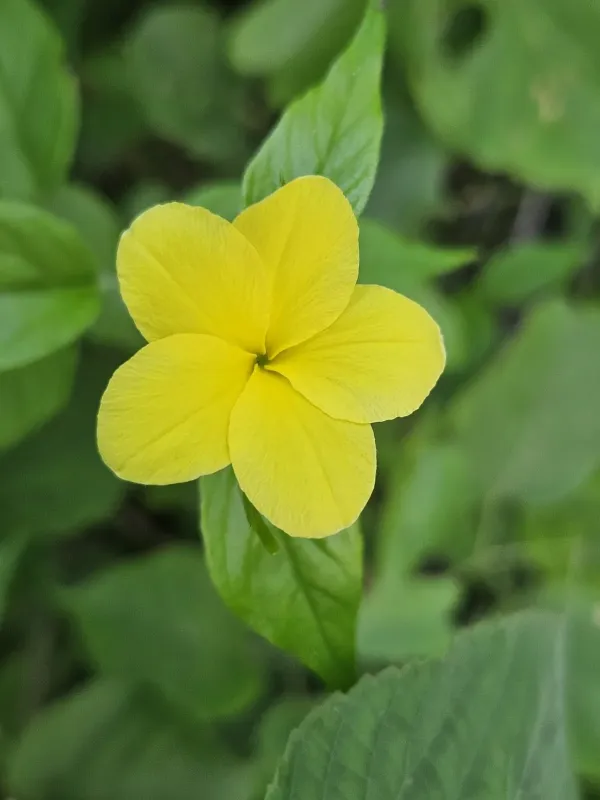
Description
Growing requirements
Haplophyton cimicidum, often referred to as the cockroach plant, is a perennial herbaceous species belonging to the Apocynaceae family. It is native to the dry woodlands and hillsides of Mexico, where it has long been recognized for its potent biological activity.
The plant thrives in well-drained, sandy or rocky soil types. Proper drainage is essential for this species, as it is highly susceptible to root rot in waterlogged conditions, making soil preparation a primary agricultural concern.
Regarding climate, this plant is strictly adapted to subtropical or tropical environments. It requires significant sunlight throughout the growing season to synthesize the alkaloids responsible for its unique properties, which serve as its natural chemical defense.
The agronomic management of Haplophyton cimicidum includes careful site selection to ensure maximum sun exposure and protection from cold winds. It is relatively drought-tolerant once established but benefits from consistent moisture during the early vegetative stage.
Fertilization should be moderate, as excessive nitrogen levels can lead to rapid, succulent growth that is less concentrated in the secondary metabolites required for its industrial application as an insecticide.
Main diseases and pests
One of the defining features of this species is its natural resistance to herbivorous insects. The presence of toxic alkaloids, specifically haplophytine, makes the foliage unpalatable and often fatal to many common agricultural pests.
However, the crop is not immune to environmental stress. The primary agricultural threats include soil-borne pathogens, particularly Phytophthora and Fusarium species, which can devastate entire stands under conditions of high soil moisture.
Fungal leaf infections may occur in environments with poor air circulation or consistently high humidity. To manage this, growers must implement proper plant spacing to allow for adequate airflow between individual specimens.
While no major insect pests specifically target this plant, growers should remain vigilant against generalist pathogens that might exploit compromised tissues or nutrient-deficient plants weakened by environmental stressors.
Integrated management plans should focus on preventive measures, including the selection of resistant cultivars where available and rigorous control of soil irrigation to maintain the health of the subterranean plant architecture.