
Mangabeira
Hancornia speciosa
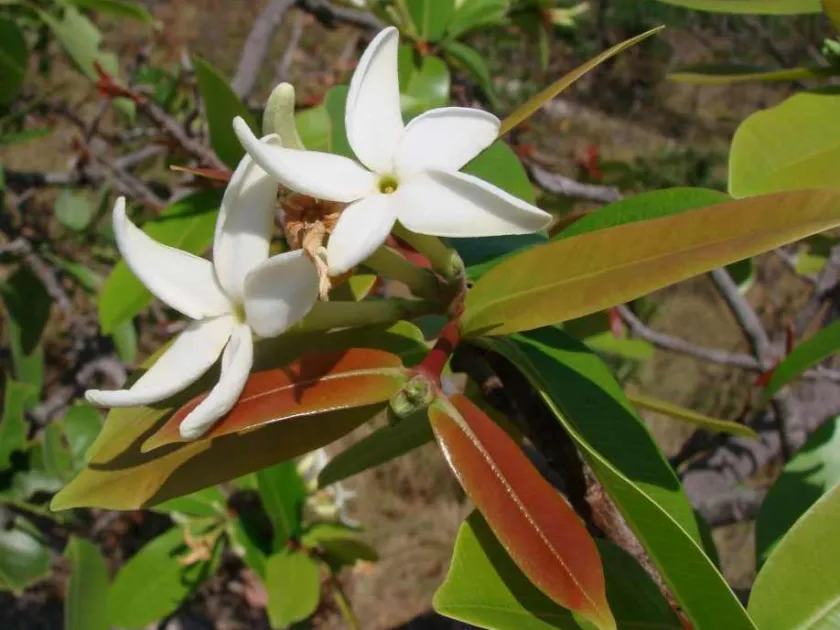
Description
Sowing dates
Propagation of Hancornia speciosa is predominantly achieved through vegetative methods such as grafting or air layering. These techniques are preferred in commercial agriculture to maintain the genetic consistency and superior fruit quality of specific varieties.
Seeds can be used for propagation; however, they must be sown immediately after extraction from the fruit due to their rapid loss of viability. They require a well-draining, nutrient-poor substrate to mimic their natural habitat.
The ideal planting window coincides with the onset of the rainy season. Providing young saplings with adequate moisture during their establishment phase is essential for root system development and long-term survival.
Standard orchard spacing typically ranges from 6 to 8 meters between trees. This distance is necessary to allow for adequate canopy expansion and to ensure that all parts of the tree receive sufficient sunlight for fruit production.
During the first few months post-planting, saplings require protection from harsh direct sunlight and consistent irrigation. Proper shade structures or intercropping with smaller plants can help reduce thermal stress on young trees.
Growing requirements
The mangabeira tree is native to the Brazilian cerrado, a tropical savanna ecosystem. Consequently, it is highly adapted to regions characterized by distinct alternating wet and dry seasons and thrives under high temperatures.
Soil requirements are relatively modest, as the species performs well in sandy, acidic, and low-fertility soils. Excellent drainage is non-negotiable, as the roots are highly susceptible to rot in waterlogged conditions.
Optimal growth occurs at temperatures ranging between 22 and 30 degrees Celsius. The plant is extremely sensitive to cold and does not tolerate even mild frosts, which makes its cultivation strictly limited to tropical latitudes.
Full sun exposure is vital for the physiological health of the tree. Any significant shading from neighboring trees or structures will lead to a decline in flower induction and a substantial reduction in total fruit yields.
While the tree is drought-tolerant once mature, water availability during the flowering and fruit-setting stages is critical. Supplemental irrigation can significantly improve both the quality and quantity of the harvest.
Yield
Trees typically begin producing fruit between 3 and 4 years after being transplanted to the orchard. With proper management, a mature mangabeira tree can provide consistent annual yields for several decades.
The fruit, known as mangaba, is highly valued for its unique sweet-and-sour flavor and nutritional profile, which includes significant levels of vitamin C. It is commonly used in juices, jams, and traditional desserts.
Yield capacity is influenced by tree age, genotype, and environmental conditions. Productive orchards utilize selective pruning and controlled fertilization to maximize fruit size and optimize the timing of the harvest.
Due to the delicate nature of the fruit, it has a very short shelf life. Post-harvest management strategies, including rapid cooling and cold chain logistics, are essential to minimize spoilage before the fruit reaches the market.
In addition to fruit production, the tree is a recognized source of natural latex. Traditional tapping methods allow for the collection of latex, providing an additional economic stream for agricultural producers.
Main diseases and pests
The primary threats to Hancornia speciosa include various foliage-eating insects and fungal pathogens. Among the most serious is anthracnose, which can severely damage developing fruit and tender young shoots.
High humidity levels and poor ventilation within the orchard can promote fungal growth. Maintaining an open canopy through regular pruning is a proactive step in reducing the risk of disease spread within a plantation.
Sucking insects, such as aphids or scale, can weaken the trees and create wounds that facilitate the entry of secondary viral or bacterial infections. Integrated pest management practices are recommended.
Root rot is a major risk if the soil lacks sufficient drainage. Over-irrigation is a common mistake that can lead to rapid decline in tree health, making proper soil preparation the most important preventative measure.
Mineral imbalances in the soil can compromise the tree's natural defense mechanisms. Regular soil testing and balanced fertilization programs help ensure the tree remains robust and resistant to localized stressors.
Harvesting
Harvesting is labor-intensive because the fruit ripens unevenly. Producers typically perform daily manual checks to collect fruit that has reached the desired stage of maturity but has not yet fallen to the ground.
Ripeness is indicated by a change in skin color and a slight softening to the touch. Because the fruit is extremely perishable, it must be harvested with care and handled with padding to prevent bruising.
Post-harvest handling involves sorting the fruit by size and condition. Damaged fruit is immediately diverted to processing facilities for juice extraction or freezing to prevent total loss of the harvest.
Proper transport containers must be well-ventilated to avoid heat accumulation, which accelerates ripening and rot. Minimizing the time between the field harvest and storage is key to maintaining fruit quality.
For latex extraction, the harvesting process involves carefully tapping the trunk. This technique must be performed with precision to avoid girdling the tree, which ensures that the tree remains productive for both fruit and latex over many years.