
Cerbera
Cerbera
Cerbera is a genus of evergreen trees and shrubs belonging to the Apocynaceae family. These plants are native to the tropical regions of Asia, Africa, and various islands in the Pacific and Indian Oceans.
What the section contains


Cerbera
The plant thrives in well-drained, nutrient-rich soils and is often found in coastal habitats, including mangrove swamps. It is remarkably tolerant of saline environments, making it a hardy species in coastal regions.
Cerbera requires a tropical climate with high humidity and consistent warmth to flourish. It has no tolerance for frost or cold temperatures, which restricts its cultivation range to tropical and subtropical zones.
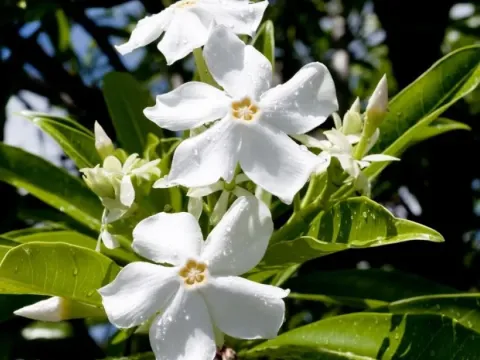
Botanically, the plant is characterized by its glossy foliage and attractive, fragrant white flowers. However, all parts of the plant, especially the seeds, contain potent cardiac glycosides like cerberin.
Due to the high toxicity of these substances, Cerbera is not used as a food crop. Instead, its utility is limited to ornamental planting in botanical gardens and coastal landscaping where human and animal contact is restricted.
Root rot is the most common issue for Cerbera, typically caused by poor soil drainage and waterlogging. Maintaining a balance in irrigation is crucial to prevent the deterioration of the root system.
Insect pests such as mealybugs, aphids, and scale insects can occasionally infest the foliage, particularly in stressful environmental conditions. Regular monitoring is advised for early detection.
The primary concern regarding this plant is its extreme toxicity. Every part of the tree contains chemical compounds that are lethal if ingested, necessitating strict safety protocols during any pruning or maintenance.
Fungal leaf spot diseases may occur in overly humid conditions with limited airflow. Pruning the canopy to improve light penetration and air movement is a standard practice for managing disease risks.
Physical damage to the bark or branches can expose the interior to rot or opportunistic pathogens. Using sterilized tools for pruning is essential to maintain the structural health of the plant.