
Cerbera odollam
Cerbera odollam
Description
Growing requirements
Cerbera odollam is an evergreen tropical tree belonging to the Apocynaceae family. It is native to the coastal regions and marshy areas of South and Southeast Asia, where it thrives in humid and saline environments.
The climate requirements for this plant are strictly tropical, necessitating high average temperatures and constant high humidity. It is highly adapted to growth in mangrove-like conditions, showing remarkable tolerance for saline water and soil salinity.
Soil preferences involve moist, silt-heavy, or sandy substrates that can maintain water content. The plant's root system is adapted to environments with high water tables, often surviving regular tidal flooding in its natural habitat.
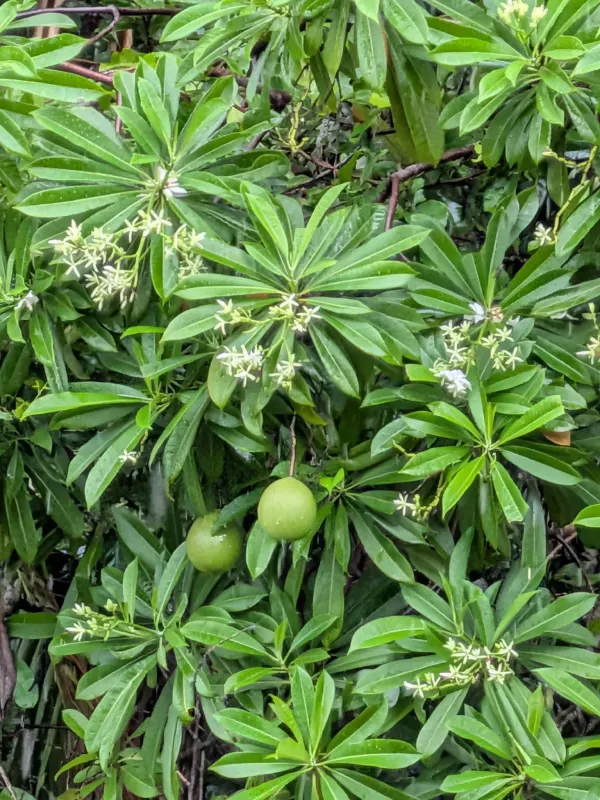
Botanically, the plant is characterized by leathery lanceolate leaves and white, fragrant flowers with a yellow throat. Its fruit is a fibrous drupe that resembles a small mango in size and appearance, which is notoriously toxic due to the presence of cerberin.
хозяйственное use of this tree is limited primarily to ornamental purposes in controlled botanical environments or for specific phytochemical research. Due to the lethal cardiac glycosides present in all parts of the plant, cultivation requires strict security measures.
Main diseases and pests
The primary defense mechanism of Cerbera odollam against pests is its intense chemical toxicity. Cerberin serves as a potent deterrent, making the tree largely immune to common herbivorous insects found in the tropics.
Pathogen threats are mostly limited to fungal infections. Root rot is a risk when the plant is grown in containers without sufficient drainage, as stagnant water compromises the health of the roots regardless of the species' preference for moisture.
Leaf-spotting pathogens may occur in artificial landscape settings where the foliage remains wet for extended periods without adequate air circulation. Regular pruning to thin the canopy is the recommended strategy to mitigate such fungal risks.
Environmental factors constitute the most significant threat to the species. The degradation of coastal ecosystems and mangrove forests due to urban development directly impacts the natural distribution and population density of the tree.
Agricultural monitoring for this species emphasizes soil chemistry over pest management. Because the plant is rarely cultivated for biomass, the main goal of any management strategy is ensuring structural stability and preventing human contact with the toxic plant materials.