
Ceropegia dichotoma
Ceropegia dichotoma
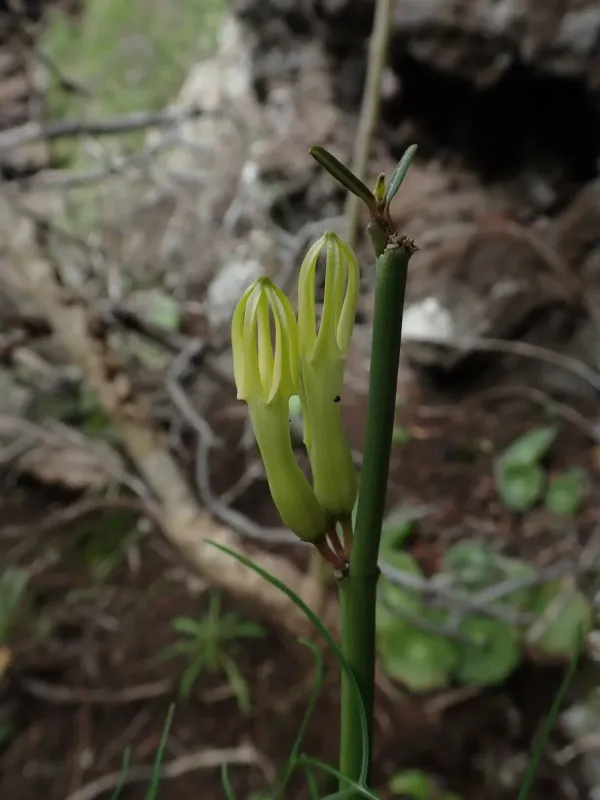
Description
Sowing dates
Ceropegia dichotoma is propagated mainly through seeds or stem cuttings during the spring season. A well-draining, porous substrate is essential to ensure high germination and rooting success rates.
Seeds should be sown on the surface of a sandy mix, lightly covered with grit, and kept under warm conditions between 22 and 25 degrees Celsius to stimulate uniform growth.
Stem cuttings require a healing period of at least two days in a shaded area to form a callus, which prevents pathogen entry when placed into the potting medium.
Initial watering must be kept light and frequent enough to maintain slightly moist soil without causing waterlogging, which is critical during the first few weeks of growth.
Once established, the young plants should be moved to a location with bright, indirect sunlight to encourage robust stem development and long-term viability.
Growing requirements
This species belongs to the Apocynaceae family and originates from the Canary Islands. It is characterized by its succulent, cylindrical stems that lack leaves for most of the year.
The plant requires a high-mineral content soil mix that mimics its natural rocky habitat. Excellent drainage is non-negotiable for keeping the root system healthy throughout the year.
Environmental conditions should focus on providing maximum light exposure during the growing season while ensuring the plant is protected from extreme temperature drops in winter.
Water management is the most critical aspect of agrotechnics; the soil must dry out completely between waterings to prevent the stems from collapsing due to rot.
The plant displays unique tubular, wax-like flowers that typically emerge during the warmer months, contributing significantly to its ornamental value in specialized collections.
Main diseases and pests
Root rot is the most common disease affecting Ceropegia dichotoma, primarily caused by overwatering or using soil that retains moisture for too long.
Mealybugs are the primary pest threat, often found clustering at the stem nodes. They can be difficult to eliminate once they establish deep inside the plant structure.
Spider mites may infest the stems if the plant is kept in an area with poor airflow and excessively dry environmental conditions, leading to surface damage.
Integrated pest management strategies involve regular inspection of the stems and the use of insecticidal soaps or systemic treatments when an infestation is detected.
Maintaining high hygiene standards in the greenhouse, such as disinfecting tools and removing dead tissue, is the best preventative measure against common succulent diseases.