
Ceropegia ballyana
Ceropegia ballyana
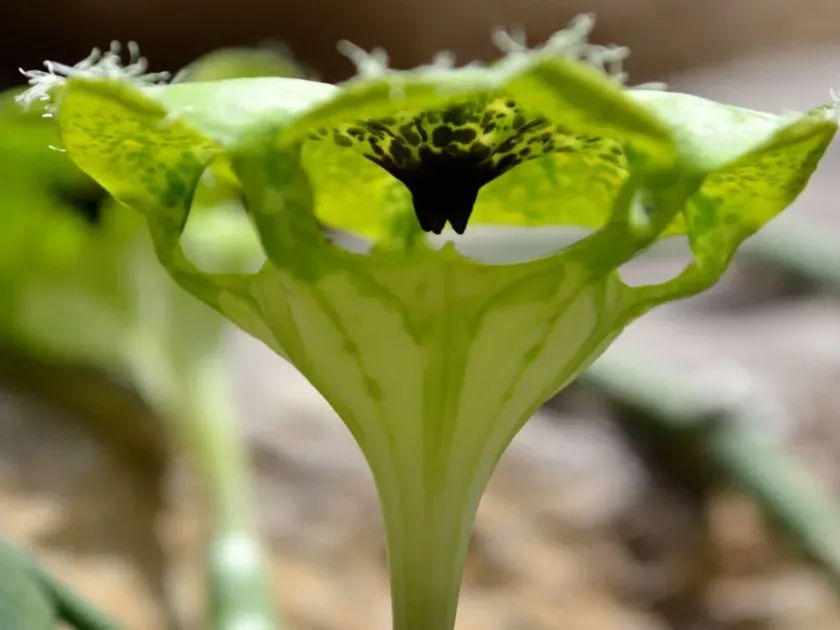
Description
Growing requirements
Ceropegia ballyana is a specialized tuberous succulent belonging to the Apocynaceae family. It is native to the arid regions of East Africa, where it has adapted to harsh environmental conditions by storing water in its tuberous roots.
To cultivate this species successfully, it requires high light intensity, but not direct scorching sun. Filtered morning or late afternoon light is ideal for maintaining compact growth and healthy stems.
The planting substrate must be exceptionally well-draining. A mix of coarse sand, pumice, and a minimal amount of organic matter is recommended to prevent water retention around the sensitive tuber.
Temperature management is crucial; Ceropegia ballyana thrives in warm conditions between 20°C and 30°C. It is strictly recommended to keep the plant away from drafts and temperatures dropping below 10°C.
Watering should follow a strict dry-cycle protocol. During the active growing season, water thoroughly only when the substrate is completely dry. In the winter dormancy period, watering should be reduced to an occasional light misting.
Main diseases and pests
Root rot is the most significant threat to this plant. It is almost always a result of overwatering or using a substrate that stays damp for too long, leading to a total collapse of the tuber.
Mealybugs are common pests that hide in the crevices of the stems. Their presence is marked by white cotton-like masses, which can quickly spread and weaken the plant if left untreated.
Spider mites can also be problematic in low-humidity indoor environments. They often colonize the softer parts of the plant, causing yellowing and a loss of vitality in the stems.
Management of these pests should involve mechanical removal followed by the application of appropriate systemic insecticides to ensure the total eradication of the infestation.
Proper hygiene, such as cleaning the surface area and removing dead plant tissue, significantly reduces the risk of fungal infections and creates a healthier environment for the succulent.