
Ceropegia barberae
Ceropegia barberae
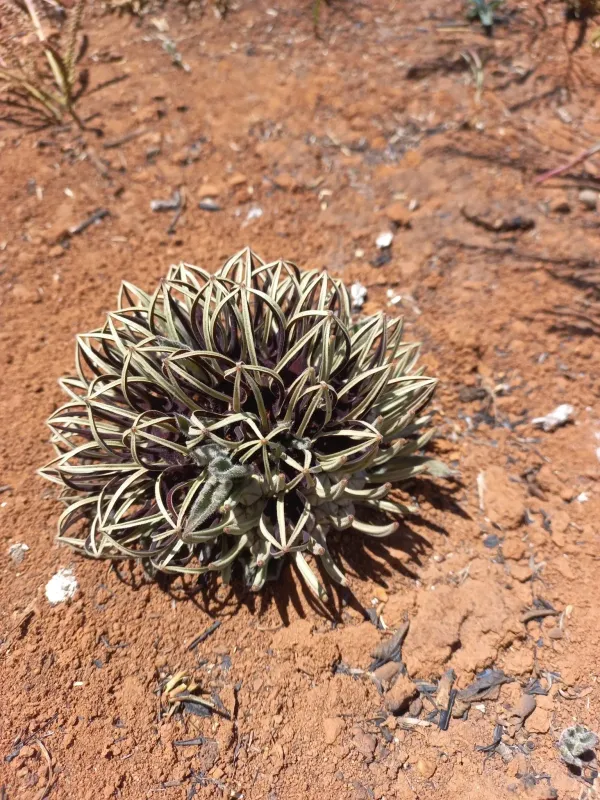
Description
Sowing dates
Propagation of Ceropegia barberae by seeds is best performed in the spring season. The seeds should be sown on the surface of a porous, well-draining substrate mix and covered lightly with fine grit or sand.
Maintaining high humidity and a consistent temperature of around 22–25 degrees Celsius is crucial during the germination phase. Covering the container with plastic helps retain moisture effectively.
Cutting propagation is the preferred method for maintaining the characteristics of the parent plant. Stem cuttings should be taken using a sharp, sterilized blade to ensure clean edges.
It is essential to allow the cuttings to dry in a shaded area for at least 24 hours before planting them into the substrate. This callousing process prevents the entry of pathogens into the vascular system.
Once planted, the cuttings should be placed in bright, indirect light. Rooting generally takes several weeks, during which the soil must be kept only slightly moist to prevent rot.
Growing requirements
Ceropegia barberae belongs to the Apocynaceae family and is native to southern Africa. It is characterized by its tuberous root system, which acts as a primary storage organ for hydration.
The plant thrives in bright, indirect light conditions. While it can handle some direct morning sun, intense midday exposure should be avoided to prevent scorched leaves and stem damage.
The soil requirements are specific: the medium must be highly porous. A professional succulent or cactus mix enriched with perlite or pumice provides the necessary drainage for root health.
Watering practices should follow the 'soak and dry' method. Allow the soil to dry out completely between waterings, especially during the dormant winter period when the plant requires very little moisture.
Temperature control is vital for successful cultivation. The plant prefers warm summer temperatures but needs cooler, dry conditions during winter to enter a period of natural dormancy.
Main diseases and pests
The most significant threat to Ceropegia barberae is root rot, primarily caused by waterlogged soil and poor air circulation. Symptoms include yellowing of the stems and loss of turgor.
Common pests include mealybugs, which tend to hide in the crevices of the stems and leaf axils. They feed on plant sap and can weaken the plant significantly if left untreated.
Spider mites are another common nuisance, particularly in environments with low air humidity. They create fine webs and cause stippling on the leaves, leading to eventual plant decline.
Management of these threats involves regular inspections and the application of insecticidal soaps or systemic pesticides when infestations are identified early.
Maintaining proper hygiene by removing dead plant material and ensuring that the pots have efficient drainage holes significantly reduces the risk of fungal and bacterial infections.