
Ceropegia conrathii
Ceropegia conrathii
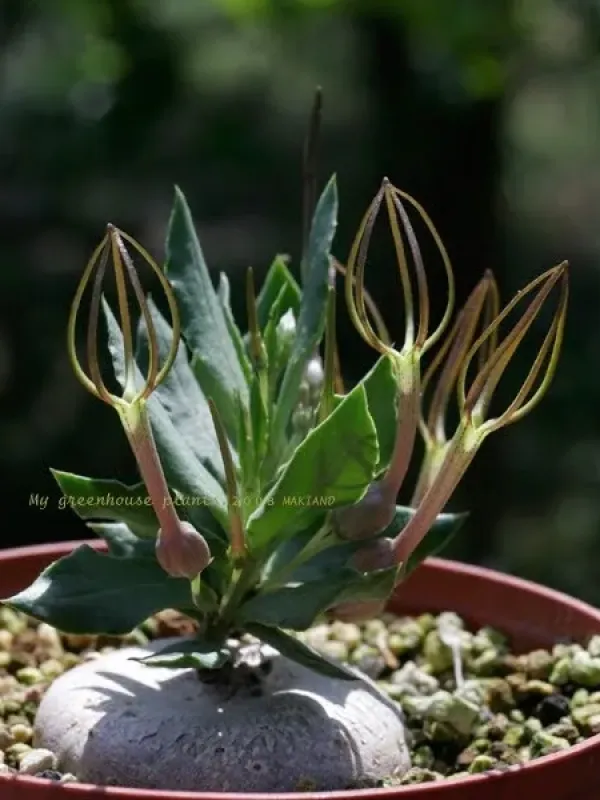
Description
Sowing dates
Ceropegia conrathii is typically propagated through seeds or stem cuttings. Sowing is best performed in the spring, maintaining temperatures between 22-25 degrees Celsius for optimal germination success.
A light, well-draining substrate mix of sand and peat is recommended. The surface should remain lightly moist, and containers should be covered with glass to ensure a consistent microclimate until seedlings appear.
Germination requires bright but indirect lighting. Constant monitoring is essential to ensure the soil does not become overly saturated, which can easily lead to seedling death during the early growth stage.
Once the seedlings develop at least two pairs of true leaves, they should be carefully transplanted into small, individual pots. Proper airflow is crucial during this phase to avoid damping-off disease.
When using cuttings, allow the cut surface to callus for several days. Once dried, place the cuttings into dry sand to encourage root development without the risk of immediate rotting.
Growing requirements
Belonging to the Apocynaceae family, Ceropegia conrathii is a rare caudex-forming succulent native to South Africa. It thrives in arid conditions and requires specialized care to mimic its natural environment.
Ideal growing temperatures range from 20 to 28 degrees Celsius, with a winter dormancy period requiring cooler temperatures around 12-15 degrees Celsius. Avoid exposure to extreme drafts or sudden cold shocks.
The potting medium must provide excellent drainage, incorporating grit, perlite, or volcanic rock. A generous drainage layer at the bottom of the pot is mandatory to ensure water does not accumulate around the caudex.
The plant needs intense but indirect sunlight. While it appreciates bright light, harsh midday sun can scorch the succulent tissues. In darker winter months, auxiliary LED lighting can help maintain plant vigor.
Watering should be withheld until the soil is completely dry throughout the pot. During winter dormancy, minimize water significantly to prevent rot, as the plant stores moisture in its enlarged root system.
Main diseases and pests
Root and caudex rot represent the most significant threat to Ceropegia conrathii, usually triggered by overwatering and poor drainage. Once rot begins in the caudex, it is often difficult to save the plant.
Mealybugs are the most common pest, often hiding in the leaf axils or near the base of the stems. Their presence is marked by white, cotton-like masses and sticky honeydew residue.
Spider mites may also infest the plant, particularly in hot and dry indoor environments. These pests cause yellowing of the leaves and stunted growth by draining the plant's cell sap.
Preventive maintenance includes regular inspection of the plant canopy and maintaining appropriate ambient humidity. If an infestation occurs, contact systemic insecticides or horticultural oils are recommended.
- Fusarium rot
- Mealybugs
- Spider mites
- Root mealybugs