
Ceropegia aristolochioides
Ceropegia aristolochioides
Description
Growing requirements
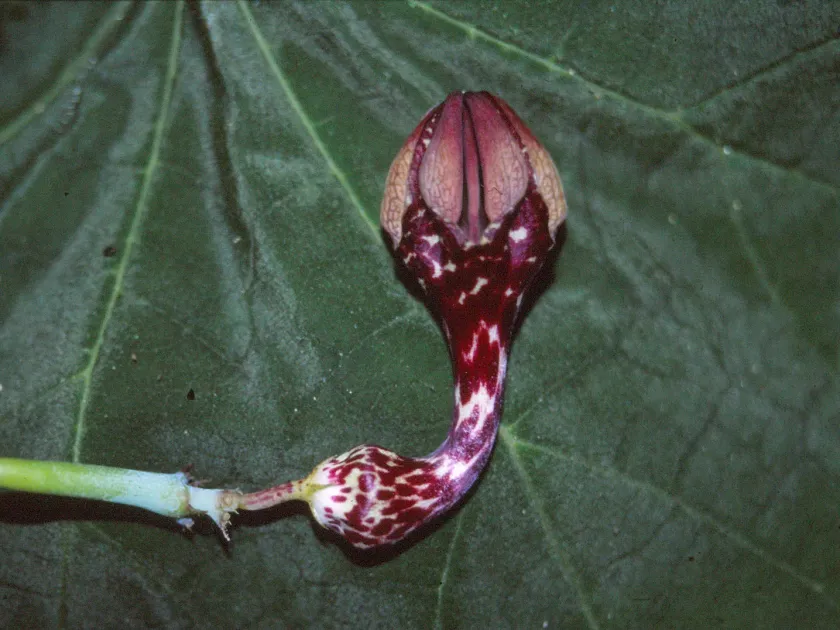
Ceropegia aristolochioides is a succulent plant belonging to the Apocynaceae family. Native to tropical regions of Africa, it is widely recognized for its unusual flowers that mimic the shape of Aristolochia blooms. This species is highly valued by botanical enthusiasts for its unique morphology and growth habit.
The plant requires bright, indirect sunlight to thrive. While it can tolerate some morning sun, intense afternoon rays should be avoided to prevent stem scorching. In cultivation, it prefers temperatures ranging from 20°C to 25°C during the growing season, with a cooling period during the winter months to encourage dormancy.
A well-draining soil medium is crucial for this species. A mixture of standard potting soil with generous portions of perlite, pumice, or coarse sand is recommended to ensure proper aeration of the roots. Because the root system is sensitive to waterlogging, using a pot with large drainage holes is an essential agronomic practice.
Irrigation must be controlled strictly; the substrate should be allowed to dry out significantly between watering sessions. During the winter, the plant requires very little water to maintain its health. Over-watering is the most common cause of failure, leading to root rot and total plant collapse if not corrected.
Economically, this species is cultivated as an ornamental plant for indoor collections and specialized glasshouse displays. Its rarity and distinctive aesthetic make it a sought-after item in the nursery trade. It is often grown in hanging baskets or as a curiosity in succulent garden compositions.
Main diseases and pests
Mealybugs are the most common pests affecting Ceropegia aristolochioides. These insects hide in the crevices of the stem and at the base of the leaves, feeding on the plant's sap. Early detection is vital, and infestations can often be managed with cotton swabs soaked in isopropyl alcohol or specialized systemic insecticides.
Spider mites may pose a problem in environments with low humidity and poor ventilation. These microscopic pests cause visible damage to the succulent tissue, resulting in discolored patches. Increasing airflow and avoiding excessively dry conditions are effective preventive measures against mite outbreaks.
Root rot, caused by fungal pathogens, remains the primary disease threat for this succulent. This usually stems from poor drainage or excessively damp soil conditions. Symptoms include soft, blackened stems and wilting. Once rot has spread to the main stem, the plant is typically difficult to save, making prevention the best strategy.
Disease management also involves proper sanitation of tools and pots when transplanting. Using sterile media helps prevent soil-borne pathogens from attacking the delicate root system. It is also recommended to isolate new specimens for a few weeks to monitor for potential pest infestations before introducing them to the main collection.
Overall, Ceropegia aristolochioides is a resilient plant if its specific environmental needs are met. By maintaining a balance between light, water, and soil porosity, growers can minimize threats and maintain a healthy collection. Regular observation is the key to ensuring the longevity of this exotic species.