
Cerbera floribunda
Cerbera floribunda
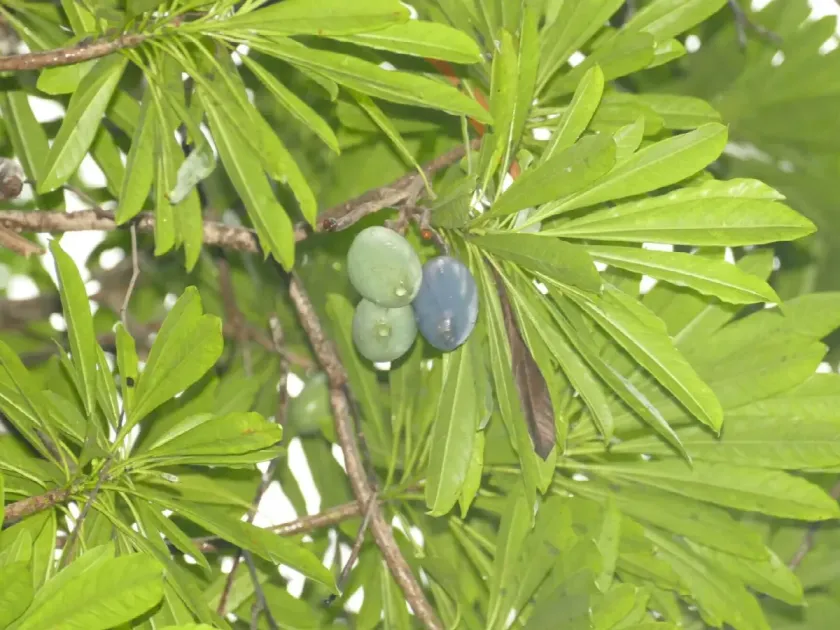
Description
Growing requirements
Cerbera floribunda is an evergreen tree belonging to the Apocynaceae family. It is recognized for its dense foliage and prolific production of white flowers, which gives the species its descriptive name.
This tree is native to the tropical regions of Southeast Asia, Indonesia, and parts of the Pacific islands. It thrives in high-humidity environments, typically found in low-altitude tropical forests.
For successful cultivation, the plant requires a frost-free climate with consistent temperatures. It does not tolerate cold snaps, making it unsuitable for temperate agricultural zones without controlled environments.
Soil requirements include well-draining substrates rich in organic matter. While the tree appreciates moisture, standing water around the root zone must be avoided to prevent root rot diseases.
Commercially, Cerbera floribunda is primarily managed for its ornamental value in tropical parklands. Its ability to create a significant canopy makes it an excellent choice for shade-providing landscape designs.
Main diseases and pests
The primary threats to Cerbera floribunda involve fungal pathogens that flourish in poor drainage conditions, leading to root system decay.
Pests such as scale insects and mealybugs can pose a threat to plant vigor by sucking sap from the stems and underside of the leaves.
Due to the presence of cardiac glycosides in its tissues, the plant is naturally repellent to many mammals, but humans should handle it with protective equipment.
Preventive maintenance, including pruning to improve air circulation within the canopy, is essential to reduce the likelihood of fungal colonization.
Integrated pest management remains the best practice to ensure the health of the specimens without damaging the local ecosystem.