
Sea mango
Cerbera manghas
Description
Growing requirements
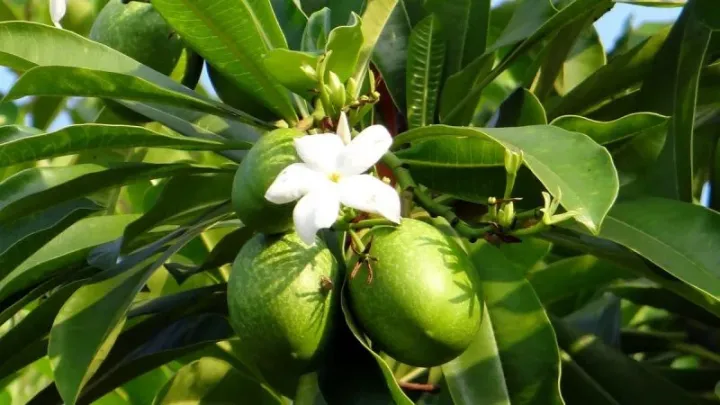
Cerbera manghas, commonly known as sea mango, is a tropical evergreen tree species belonging to the Apocynaceae family. It is characterized by its glossy, dark green leaves and fragrant, trumpet-shaped white flowers with a distinctive yellow or red center.
The plant originates from tropical regions across the Indian and Pacific Oceans. It is a coastal species often found in mangrove swamps and sandy beach environments, demonstrating a remarkable tolerance for saline conditions and sea spray.
Successful cultivation requires a warm, frost-free climate with consistently high humidity. The plant thrives in full sun or partial shade and is intolerant of temperature drops below 10°C, which restricts its outdoor growth to tropical and subtropical zones.
The ideal growing medium must be well-draining, such as sandy loam, to prevent waterlogging. Regular irrigation is necessary for healthy development, especially in container-grown specimens that cannot access deep groundwater resources.
Economically, Cerbera manghas is primarily cultivated as an ornamental tree for parks, beach resorts, and gardens in frost-free regions. It is important to note that the plant is highly toxic due to the presence of cardiac glycosides like cerberin in all its parts.
Main diseases and pests
Although generally hardy, Cerbera manghas may face pest challenges such as mealybugs, scale insects, and spider mites, particularly when grown in sheltered greenhouse environments where natural predators are absent.
Root rot is a major threat caused by overwatering or poor drainage systems. Maintaining an appropriate balance of moisture and ensuring that the soil does not become waterlogged is the primary defense strategy against this condition.
Fungal leaf spot and sooty mold can occur if the foliage remains wet for extended periods in environments with poor air circulation. Improving airflow around the canopy helps to mitigate these biological risks effectively.
Due to the chemical composition of the plant, including toxic sap and seeds, it is rarely targeted by major leaf-eating pests. This inherent defense mechanism makes it a relatively low-maintenance option for landscaping in appropriate climates.
Sanitation practices, such as removing dead twigs and disinfecting pruning tools, are essential to minimize the risk of pathogen transmission. Monitoring plant health through regular inspections ensures early detection of any physiological or pathological issues.