
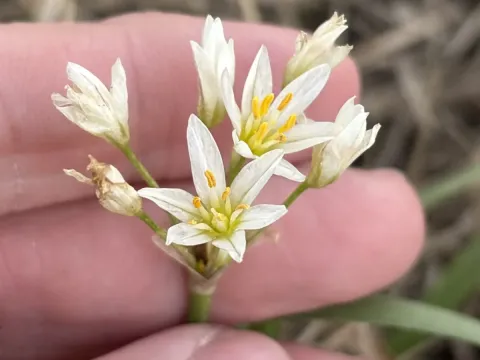
Nothoscordum
Nothoscordum
Nothoscordum planting is typically performed during the spring season once the soil has sufficiently warmed, allowing for optimal root establishment.
What the section contains


Nothoscordum
In regions characterized by mild winter climates, fall planting is also feasible, provided that sufficient mulch is applied to protect the bulbs from extreme temperatures.
Propagation is most efficiently achieved through the division of bulb offsets, which naturally multiply around the parent bulb during the growth cycle.
Seed propagation is a valid alternative, although it requires stratification and a longer timeframe before the plant reaches its mature flowering stage.
The optimal planting depth is generally set between 5 and 10 centimeters, depending on the bulb size and the texture of the soil used for the planting bed.
Nothoscordum belongs to the Amaryllidaceae family and represents a diverse group of perennial bulbous plants distributed across various geographic regions.
These plants thrive in full sun to partial shade, requiring well-drained soil to prevent the accumulation of moisture, which is critical for bulb health.
They exhibit strong adaptability to various soil types, though they prefer loamy or sandy soils that allow for rapid drainage and effective root aeration.
Consistent moisture is beneficial during the active growth period, while a drier soil profile is preferred during the plant's dormancy phase to prevent rot.
Regular fertilization with balanced nutrients helps sustain vigorous growth and promotes an extended flowering period throughout the late spring and summer months.
The primary threat to Nothoscordum cultivation is excessive moisture, which frequently leads to basal rot and fungal infections of the subterranean bulbs.
Pests such as aphids and bulb mites can compromise the plant's health, leading to stunted growth and reduced attractiveness of the foliage and flowers.
Maintaining a weed-free environment is essential to ensure proper air circulation and to reduce the habitat available for potential pests and pathogens.
Early detection of infections is key to effective management, allowing for the timely application of systemic fungicides to save the planting site.
Strict hygiene practices, such as removing infected plant debris immediately, significantly decrease the likelihood of disease spread within the garden.
The primary хозяйственное (economic) utility of Nothoscordum is found in ornamental gardening, valued for its ease of growth and delicate flower structure.
Harvesting bulbs for relocation should occur after the foliage has naturally withered, indicating that the bulb has successfully stored energy for the next cycle.
Post-harvest, bulbs must be cleaned and air-dried in a shaded, ventilated area to ensure they are fully free from surface moisture before being stored.
Proper storage involves keeping the bulbs in a cool, dry place within crates that facilitate airflow to maintain optimal dormancy conditions.
- Sorting bulbs by size to maintain a consistent planting depth and density.
- Using porous storage bags to prevent moisture buildup and fungal growth.
- Labeling batches clearly to ensure correct variety management in future planting seasons.